Blog
Running Costs of an Electric Towel Rail: The Real Numbers for 2026

“How much is an electric towel rail going to add to my electricity bill?”
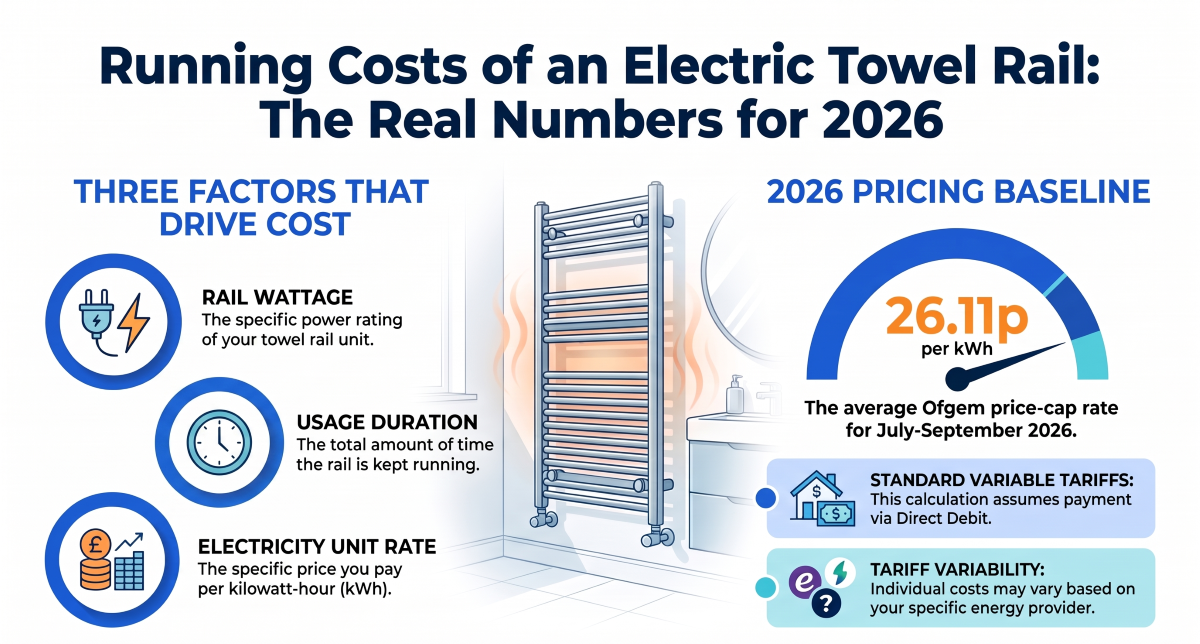
It’s one of the first things worth checking before buying an electric towel rail. They’re a convenient way to warm towels and add some heat to a bathroom without relying on your central heating, but the actual running cost depends on three things: the rail’s wattage, how long you use it and the electricity rate you pay.
So rather than simply saying an electric towel rail is “cheap to run”, let’s look at the numbers.
For the calculations in this guide, we’re using 26.11p per kWh, the Ofgem average electricity unit rate for the July-September 2026 price-cap period for standard variable tariffs paid by Direct Debit. Your own electricity tariff may be different.
Quick Answer: How Much Does an Electric Towel Rail Cost to Run?
At 26.11p per kWh:
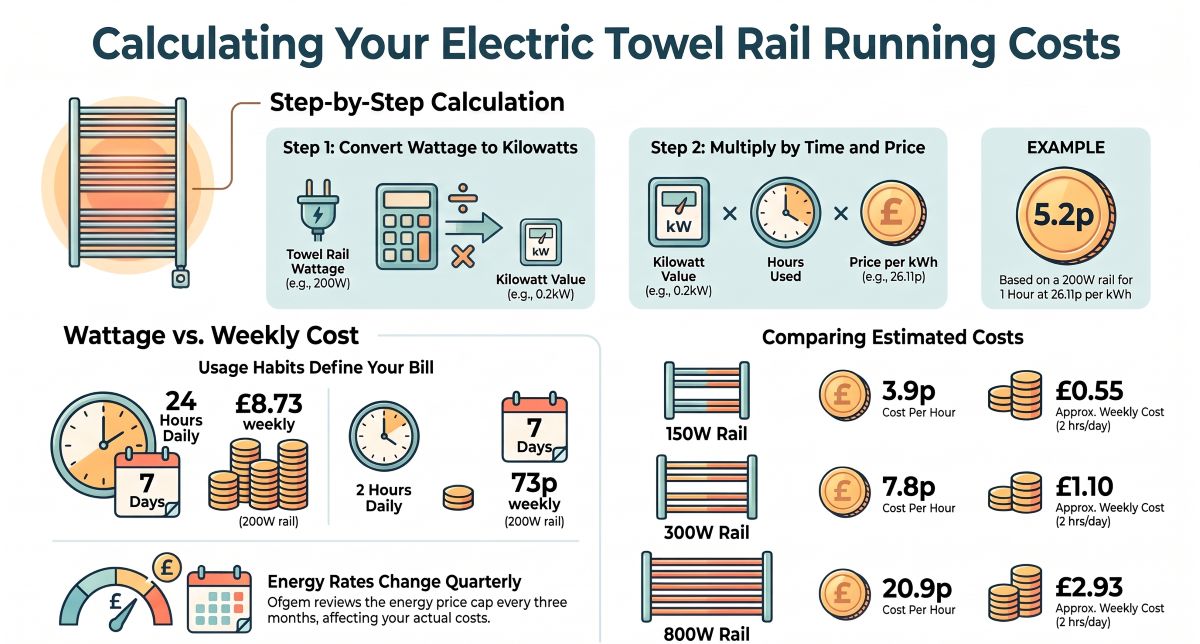
- A 150W towel rail costs around 3.9p per hour
- A 200W towel rail costs around 5.2p per hour
- A 300W towel rail costs around 7.8p per hour
- A 500W towel rail costs around 13.1p per hour
- An 800W towel rail costs around 20.9p per hour
For example, a 200W electric towel rail used for two hours a day would cost approximately 73p per week.
The important thing is that these are running-cost estimates, not fixed prices. Electricity tariffs change, and so does your actual usage.

How Do You Calculate the Running Cost of an Electric Towel Rail?
The calculation is straightforward:
Wattage ÷ 1,000 × hours used × electricity price = running cost
Take a 200W towel rail running for one hour:
200 ÷ 1,000 × 1 × 26.11p = 5.22p
So, at the current example electricity rate, a 200W towel rail costs roughly 5.2p for one hour of use.
Use it for two hours a day and the estimated cost becomes around 10.4p per day, or approximately 73p per week.
Your actual cost will depend on your electricity tariff and how the particular heating element and controls operate.
Important: Ofgem reviews the energy price cap every three months, so the 26.11p figure used here applies to the July–September 2026 period and shouldn't be treated as a year-round electricity price.
Electric Towel Rail Running Costs by Wattage
The wattage of an electric towel rail gives you a useful starting point when estimating electricity consumption.
Using 26.11p per kWh, the approximate costs are:
Towel Rail Wattage | Cost Per Hour | 2 Hours Per Day | Approx. Weekly Cost |
150W | 3.9p | 7.8p | £0.55 |
200W | 5.2p | 10.4p | £0.73 |
300W | 7.8p | 15.7p | £1.10 |
500W | 13.1p | 26.1p | £1.83 |
800W | 20.9p | 41.8p | £2.93 |
These figures assume the rail operates continuously at its stated wattage during the period.
A higher-wattage towel rail generally uses more electricity per hour, but that doesn't automatically mean it's the wrong choice. The correct size depends on your bathroom, the amount of heat you need and how you intend to use the rail.
What Does a 200W Electric Towel Rail Cost to Run?
A 200W towel rail is a useful example because it shows how much difference your usage pattern can make.
At 26.11p per kWh:
- 1 hour: around 5.2p
- 2 hours: around 10.4p
- 4 hours: around 20.9p
- 8 hours: around 41.8p
- 24 hours: around £1.25
If you use the rail for two hours every day, the estimated cost is around £3.13 per month, or approximately £38 over a year if the electricity rate remained unchanged.
In reality, your annual cost could be higher or lower because electricity prices change and most households don't use their towel rail for exactly the same number of hours every day.
What Happens If You Leave an Electric Towel Rail On All Day?
This is where the running cost can increase quickly.
A 200W towel rail running continuously for 24 hours uses:
0.2kW × 24 hours = 4.8kWh
At 26.11p per kWh, that's approximately £1.25 per day.
Run it continuously for a week and the estimated cost would be around £8.73.
By comparison, using the same towel rail for two hours each day costs approximately 73p per week.
If you're mainly using your towel rail to warm towels around shower or bath time, a timer or suitable control can help avoid paying for hours of heating when you don't actually need it.
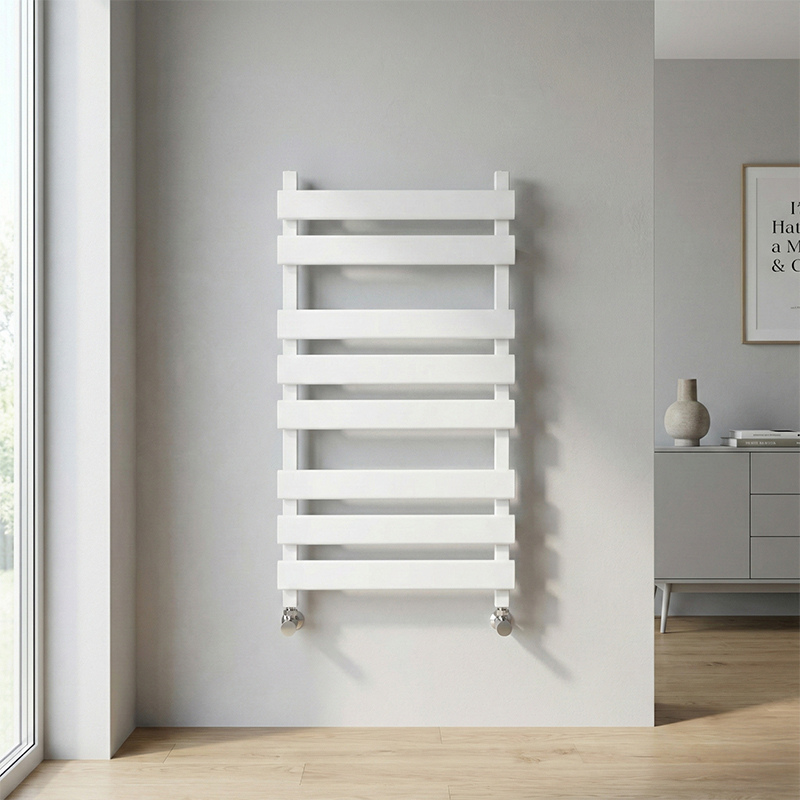
TRH Chatsworth Towel Rail 800x500mm White
In stock
- 🔥 BTU Output: 1358
- ⚡ Watt Output: 398
- 🛡️ Warranty: 10 Years
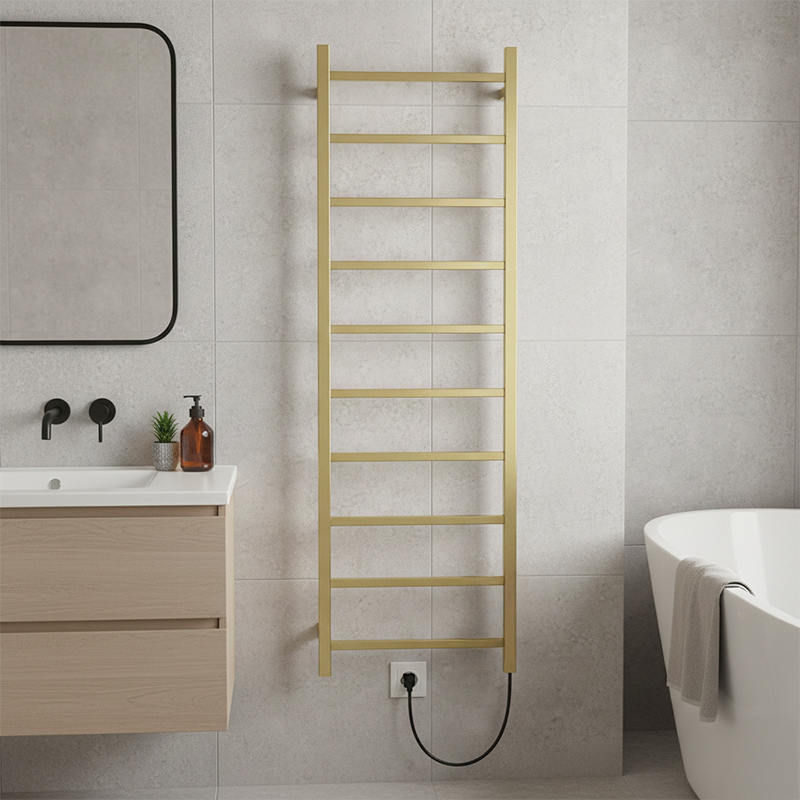
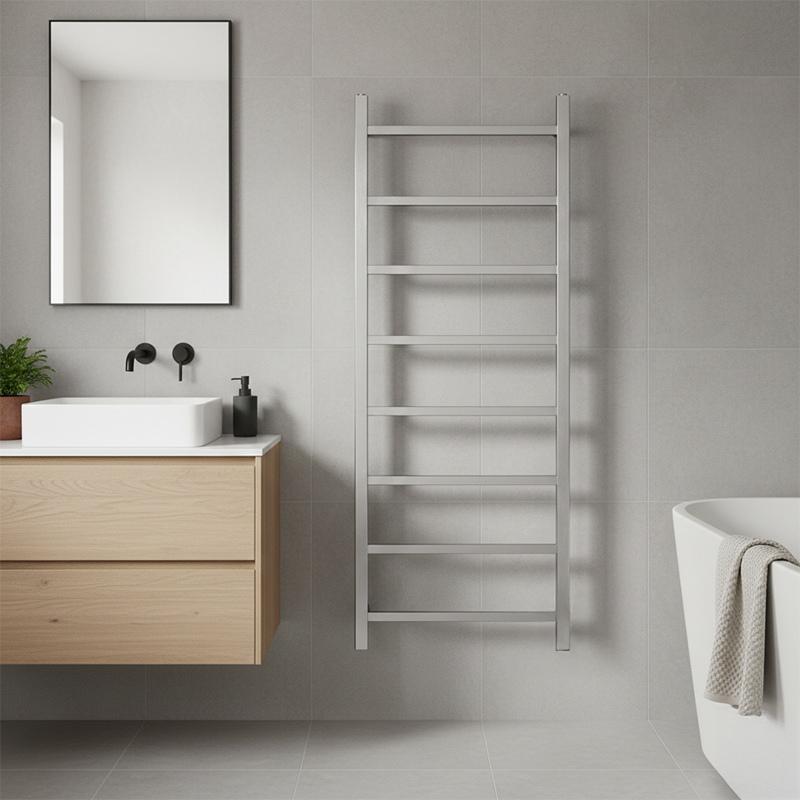
TRH Highclere Vertical Electric Radiator 1200mm x 500mm Brushed Brass
In stock
- 🔥 BTU Output: N/A
- ⚡ Watt Output: 95
- 🛡️ Warranty: 5 Years
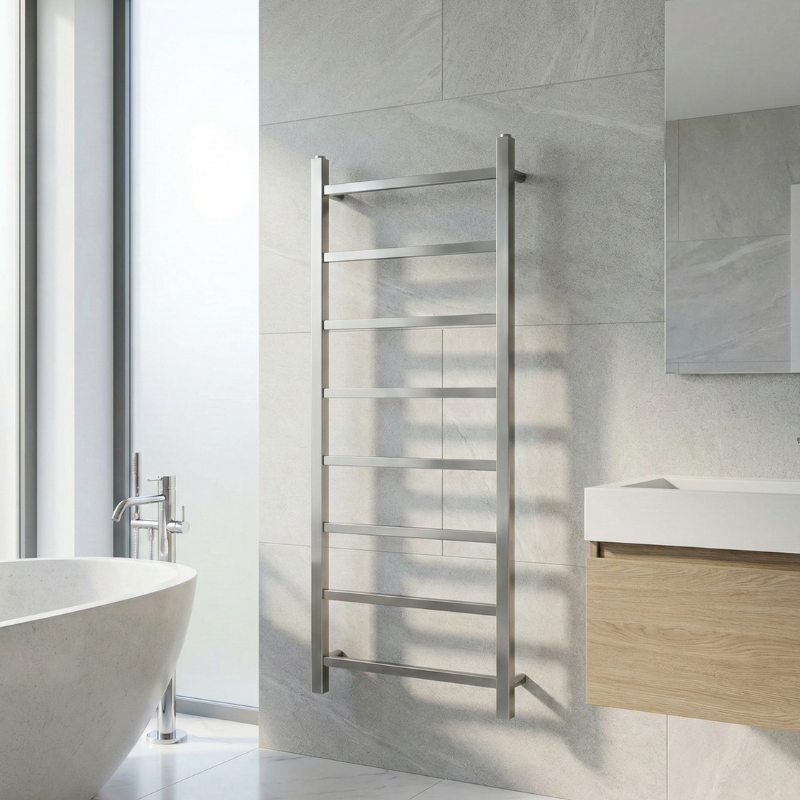
TRH Highclere Vertical Electric Radiator 1200mm x 500mm Brushed Stainless Steel
In stock
- 🔥 BTU Output: N/A
- ⚡ Watt Output: 95
- 🛡️ Warranty: 5 Years
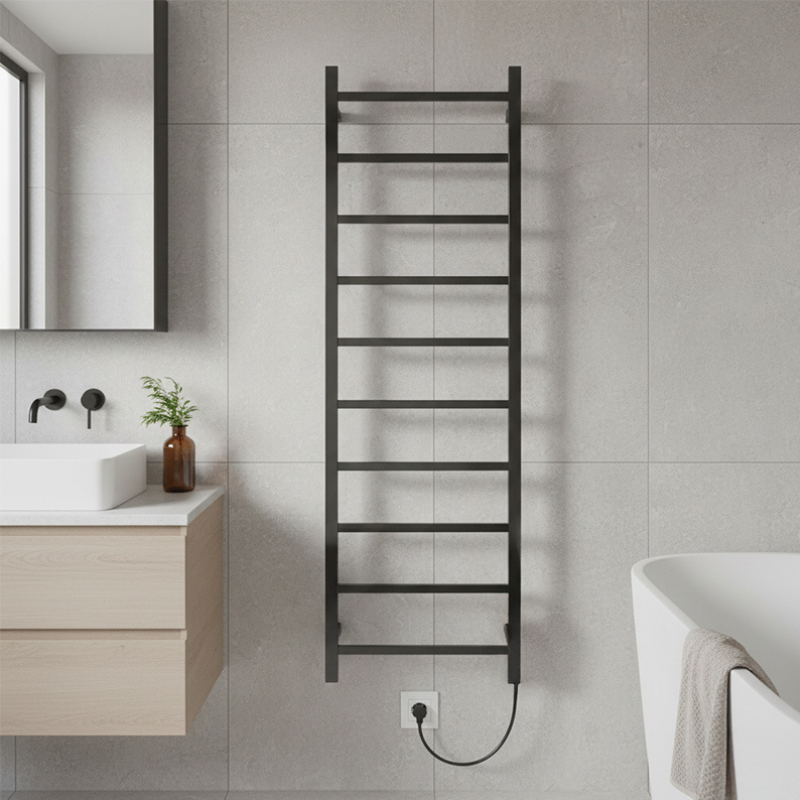
TRH Highclere Vertical Electric Radiator 1200mm x 500mm Polished Black Chrome
In stock
- 🔥 BTU Output: N/A
- ⚡ Watt Output: 95
- 🛡️ Warranty: 5 Years
Is an Electric Towel Rail Expensive to Run?
Not necessarily.
The answer depends on the wattage, electricity tariff and how long you use the rail.
An electric towel rail isn't normally intended to heat an entire house. It's usually there to provide local warmth in the bathroom and keep towels comfortable and dry.
A lower-wattage rail used for an hour or two a day can have a relatively modest running cost. On the other hand, leaving a larger rail switched on continuously will naturally use considerably more electricity.
So when comparing electric towel rails, don't just ask:
“How much does it cost?”
Also ask:
“How many watts does it use, and how long will I actually run it?”
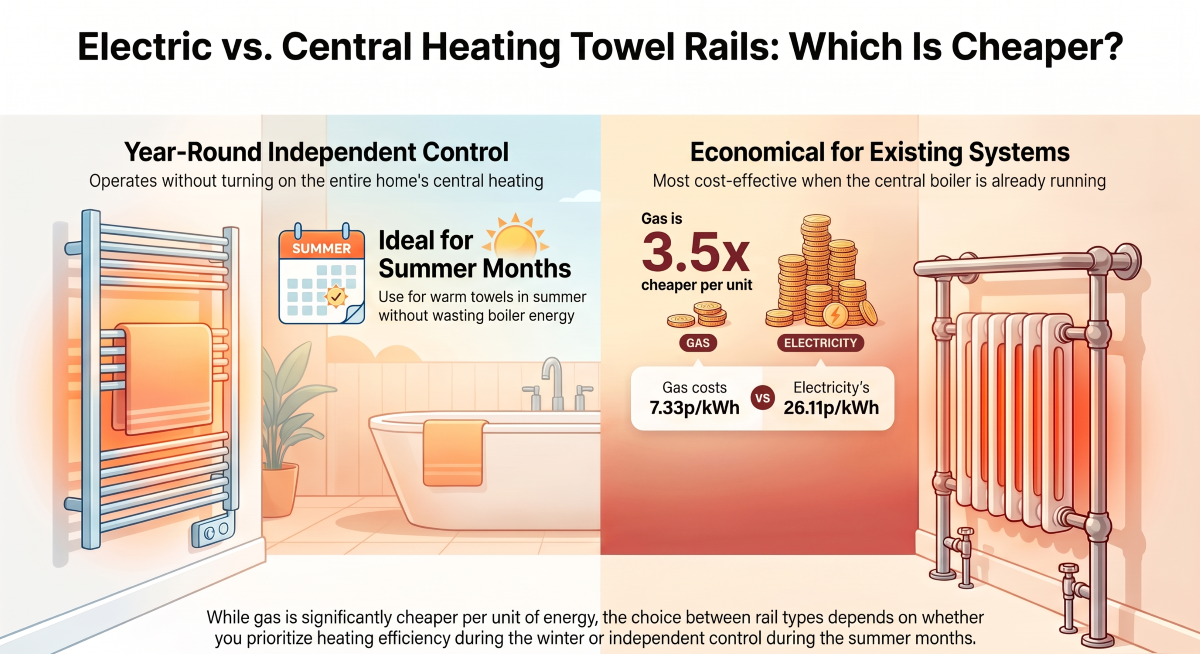
Electric vs Central Heating Towel Rails: Which Is Cheaper?
This is an important comparison if you're deciding which type of towel rail is right for your bathroom.
For the July–September 2026 price-cap period, the Ofgem average unit rates used for Direct Debit customers are 26.11p/kWh for electricity and 7.33p/kWh for gas.
That means gas is currently cheaper per unit of energy.
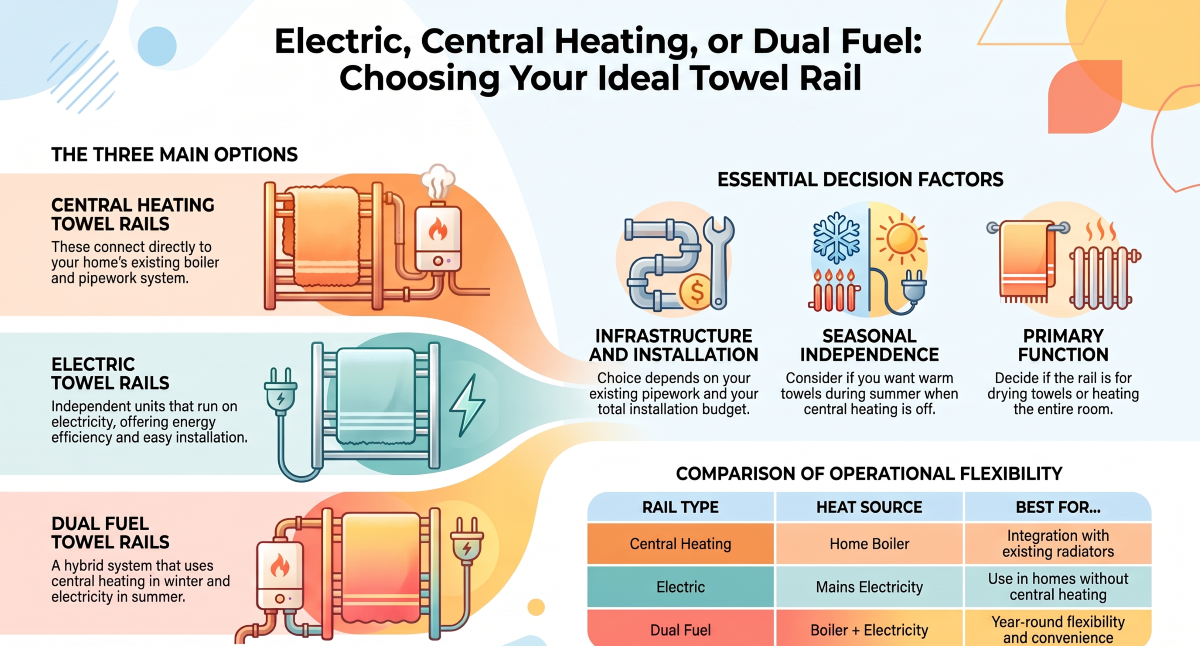
If your bathroom is already connected to your central heating system, a central heating towel rail can therefore be an economical way to heat the rail when the boiler is already running.
An electric towel rail has a different advantage: independent control.
For example, in warmer weather you may not want to switch on your central heating simply because you want a warm towel after a shower. An electric towel rail allows you to heat the rail independently.
If you're comparing the two options, take a look at our Central Heating Towel Rails and Electric Towel Rails collections.

Are Dual Fuel Towel Rails Worth Considering?
If you want flexibility throughout the year, a dual fuel towel rail can be a useful option.
A suitable dual fuel towel rail can operate from your central heating system while also supporting an electric heating element. This means you can use central heating during colder months and switch to electric heating when the boiler isn't needed.
That can be particularly useful in bathrooms where you want warm towels throughout the year.
However, not every towel rail is suitable for dual-fuel installation. Always check the individual product specifications and make sure the correct heating element and installation method are used.
If you're considering a specific model, check its product information before ordering rather than assuming that any towel rail can be converted to dual fuel.
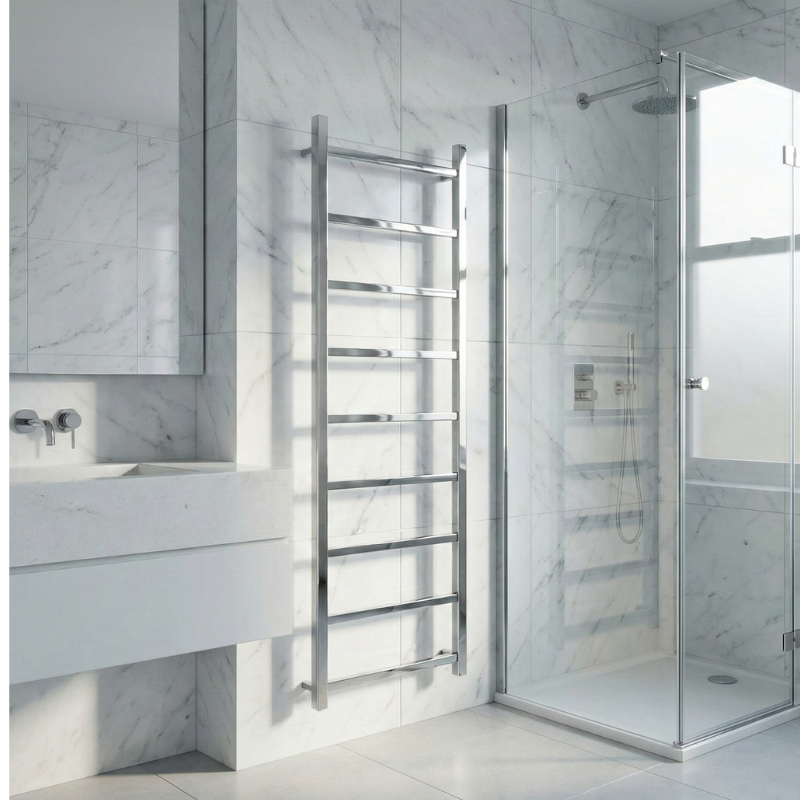
TRH Highclere Vertical Electric Radiator 1200mm x 500mm Polished Stainless Steel
In stock
- 🔥 BTU Output: N/A
- ⚡ Watt Output: 95
- 🛡️ Warranty: 5 Years
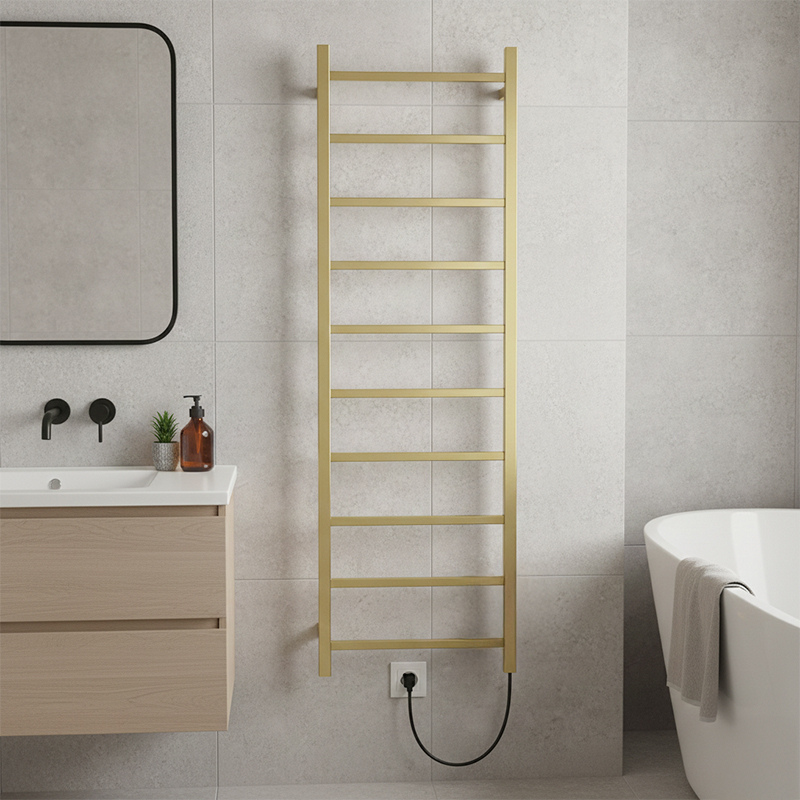
TRH Highclere Vertical Electric Radiator 1500mm x 500mm Brushed Brass
In stock
- 🔥 BTU Output: N/A
- ⚡ Watt Output: 120
- 🛡️ Warranty: 5 Years
TRH Highclere Vertical Electric Radiator 1500mm x 500mm Brushed Stainless Steel
In stock
- 🔥 BTU Output: N/A
- ⚡ Watt Output: 95
- 🛡️ Warranty: 5 Years
TRH Highclere Vertical Electric Radiator 800mm x 500mm Brushed Stainless Steel
In stock
- 🔥 BTU Output: N/A
- ⚡ Watt Output: 70
- 🛡️ Warranty: 5 Years
How to Reduce Electric Towel Rail Running Costs
You don't need to stop using your electric towel rail to keep electricity consumption under control. A few simple choices can make a noticeable difference.
Use a Timer
If you normally shower in the morning and evening, there may be little reason to keep the towel rail running all day.
Set it to operate around the times you actually need warm towels, where the product's controls allow this.
Choose a Suitable Wattage
A higher-wattage heating element generally consumes more electricity while operating.
However, don't automatically choose the lowest wattage. The towel rail still needs to provide suitable heat for the room and your requirements.
Check Your Electricity Tariff
The 26.11p/kWh figure used in this article is an Ofgem average for one price-cap period. Your own electricity rate may be different.
If you're on a fixed tariff or a time-of-use tariff such as Economy 7, use the rate shown on your own energy bill when calculating your expected running cost.
Don't Oversize the Rail
A larger towel rail isn't necessarily better for every bathroom.
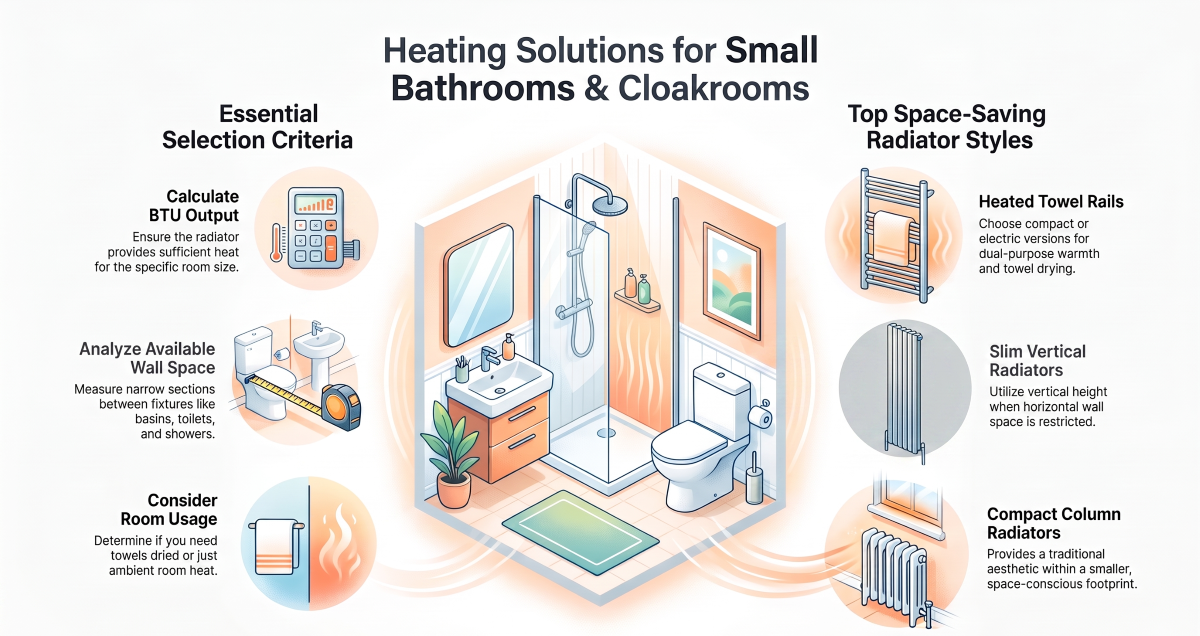
Consider the available wall space, number of towels, required heat output and bathroom size before choosing a model.
Choosing the Right Electric Towel Rail for Your Bathroom
Running cost is only one part of the decision.
Before buying, consider:
- Bathroom size
- Required heat output
- Towel capacity
- Available wall space
- Heating type
- Wattage
- Finish and style
- Whether you need electric or dual-fuel operation
If you're unsure about the heat output your bathroom needs, use our BTU Calculator before choosing your towel rail.
You can then browse our Electric Towel Rails to compare suitable options.
For bathrooms already connected to a central heating system, our Bathroom Radiators collection gives you more options to compare.
Choosing a Towel Rail Finish
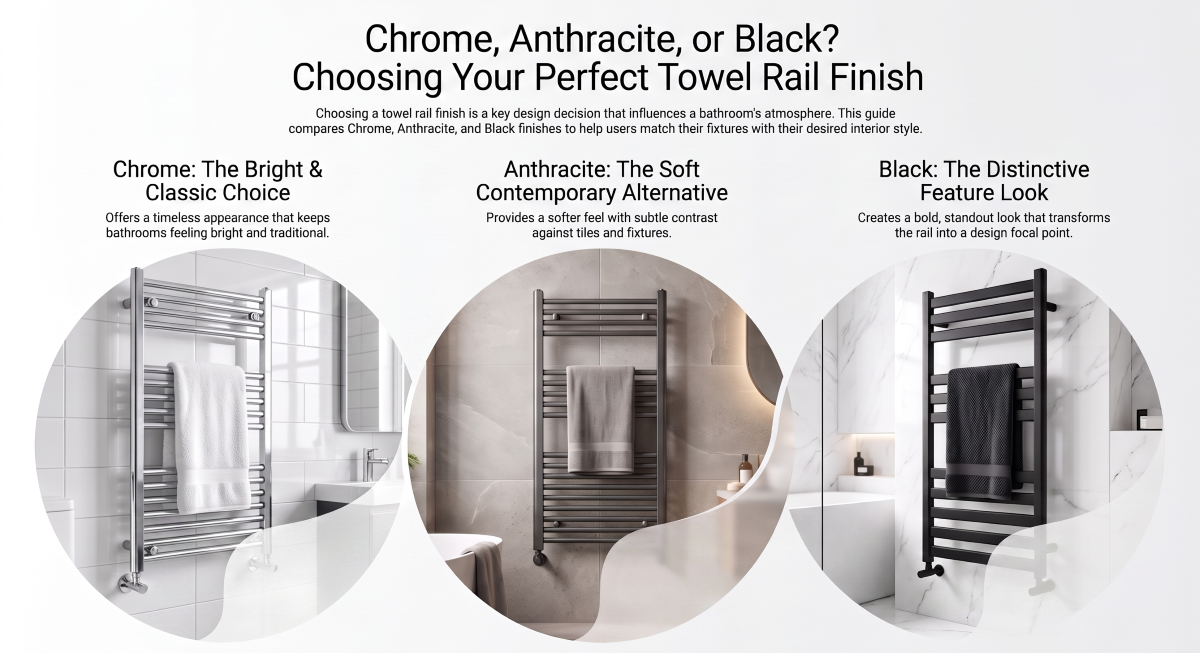
Once you've worked out the right size and heating type, the finish is mainly about creating the look you want.
Chrome towel rails remain a popular choice for bright, traditional bathrooms, while black and anthracite towel rails work particularly well in modern interiors. If your bathroom already features brass taps or accessories, brushed brass can help create a more coordinated finish.
The important thing is to choose the heating performance first and the finish second.
Frequently Asked Questions
How much does an electric towel rail cost per hour?
It depends on the wattage. At 26.11p per kWh, a 200W electric towel rail costs approximately 5.2p per hour, while a 500W model costs around 13.1p per hour.
How much does a 200W towel rail cost to run for two hours?
At 26.11p/kWh, a 200W towel rail costs approximately 10.4p for two hours. Used for two hours every day, that's around 73p per week.
Is it expensive to leave an electric towel rail on all day?
It can be. A 200W towel rail running continuously for 24 hours would use approximately 4.8kWh, costing around £1.25 per day at the example electricity rate used in this guide.
Is an electric towel rail cheaper than central heating?
Gas currently costs less per kWh than electricity, so central heating can be cheaper on a unit-energy basis. However, an electric towel rail gives you independent control and can be useful when you don't want to switch on the central heating just to warm the bathroom.
What is the cheapest way to run an electric towel rail?
Use a suitable wattage for your requirements and avoid leaving the rail running unnecessarily. A timer or appropriate heating control can help limit operating hours.
Are dual fuel towel rails worth it?
They can be useful if you want to use central heating during colder months and electric heating when the central heating is switched off. However, check that the particular towel rail is designed for dual-fuel use before buying.
How do I choose the right size electric towel rail?
Consider your bathroom size, insulation, available wall space and required heat output. Our BTU Calculator can help you estimate the heating requirement before choosing a suitable towel rail.
So, How Much Will an Electric Towel Rail Really Cost?
There isn't one fixed answer because electricity tariffs, towel rail wattages and usage habits vary.
But the calculation gives you a useful starting point.
At the 26.11p/kWh example rate used in this guide, a 200W electric towel rail costs around 5.2p per hour. Run for two hours a day, that's approximately 73p per week.
Leave it running continuously and the cost increases significantly.
The simple takeaway is this:
The running cost of an electric towel rail depends mainly on its wattage, your electricity price and how long you leave it switched on.
If you're looking for an electric bathroom heating solution, explore The Radiator Hub's Electric Towel Rails, Central Heating Towel Rails and wider Bathroom Radiators.
And before choosing your size, use the BTU Calculator to get a better idea of the heat output your bathroom requires.