Blog
Do Radiator Covers Block Heat? The Complete UK Guide

When updating a room, many homeowners consider installing a radiator cover to hide an old or unattractive radiator. They can certainly improve the appearance of a space, but one important question is asked time and time again:
Do radiator covers block heat?
The simple answer is yes, most radiator covers reduce the amount of heat entering your room. However, the amount of heat lost depends on the design of the cover, the material it is made from, how well it is ventilated and even where your thermostatic radiator valve (TRV) is positioned.
With UK energy prices remaining high, every watt of heat matters. If your heating system has to work harder because a radiator cover is restricting airflow, your boiler may run for longer, increasing energy consumption and potentially raising your heating bills.
At The Radiator Hub, we regularly help homeowners who originally planned to install radiator covers, only to discover that upgrading to a modern designer radiator provides a far better long-term solution. Instead of hiding an outdated radiator, today's designer radiators are designed to become a feature within the room while maintaining excellent heating performance.
This comprehensive guide explains everything you need to know about radiator covers, heat output, energy efficiency and the alternatives available to modern UK homeowners.
Quick Answer
Do radiator covers block heat? Yes.
Most radiator covers reduce heat output because they:
- Block radiant heat.
- Restrict the natural circulation of warm air.
- Can interfere with thermostatic radiator valves.
- Force your heating system to work harder.
A well-designed, ventilated cover may only reduce heat output slightly, whereas a poorly designed solid wooden cover can significantly reduce your radiator's efficiency.
If your goal is to improve the appearance of your room without sacrificing heating performance, replacing an older radiator with a modern designer radiator is usually the better long-term investment.
Why Radiator Covers Reduce Heat Output
Radiator covers affect heating in several different ways.
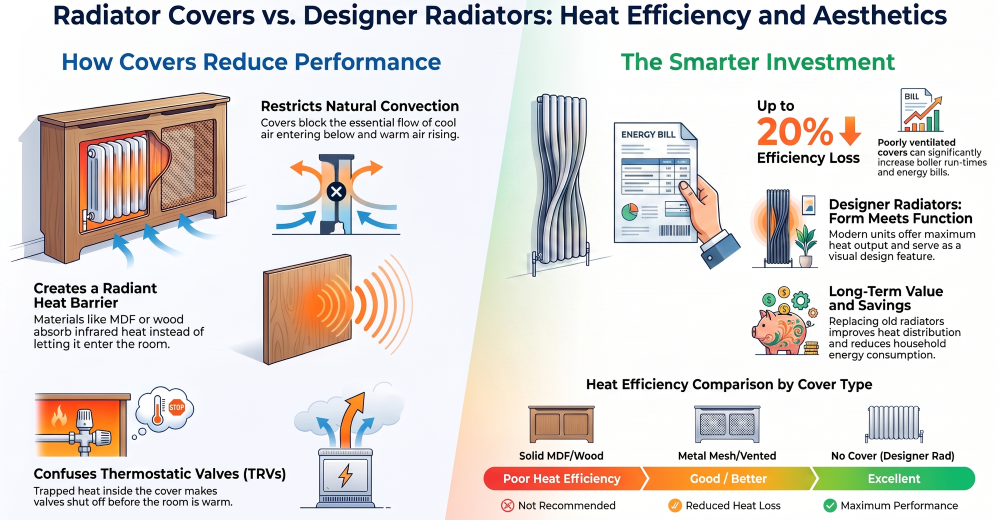
1. They Block Radiant Heat
The front of your radiator naturally emits infrared heat into the room.
A wooden or MDF cover creates a barrier between the radiator and the room.
Instead of travelling freely into the space, much of this heat is absorbed by the cover itself before slowly escaping.
This immediately reduces the amount of warmth you actually feel.
2. They Restrict Airflow
Convection relies on unrestricted airflow.
Cool air must enter from below.
Warm air must leave from the top.
If the radiator is enclosed inside a cabinet with limited ventilation, the warm air becomes trapped around the radiator instead of circulating around the room.
The result?
- Rooms heat up more slowly.
- Your boiler runs for longer.
- Energy efficiency decreases.
- Heating costs can increase.
3. They Can Confuse Thermostatic Radiator Valves (TRVs)
This is something many homeowners don't realise.
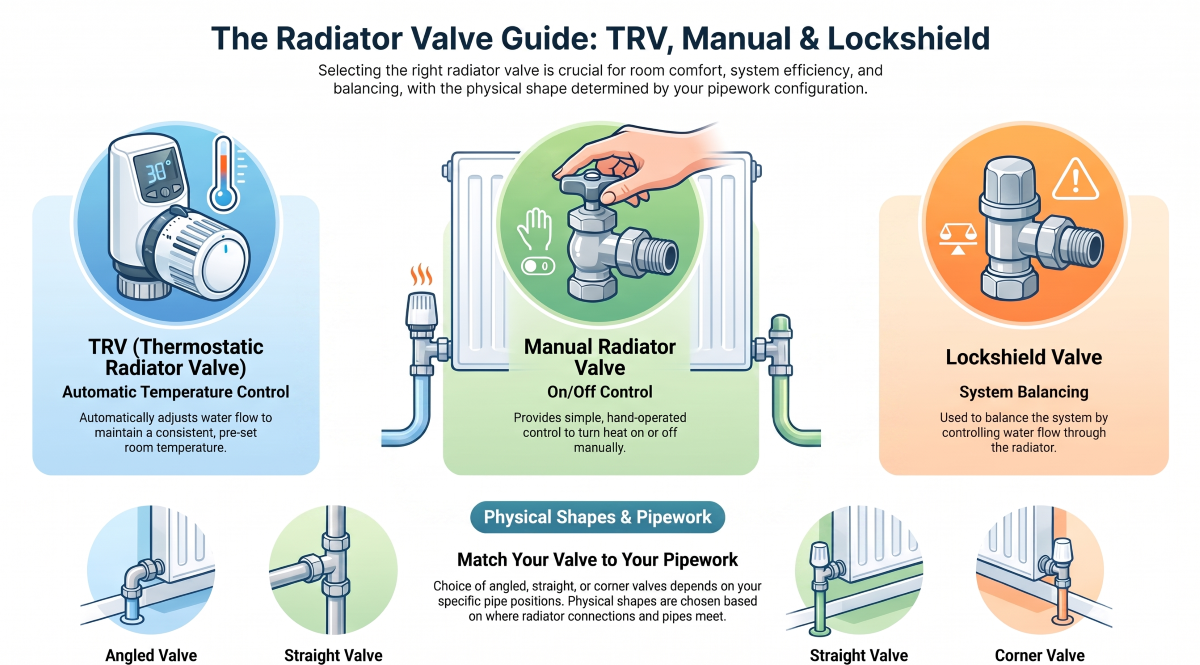
If your TRV sits inside the radiator cover, it measures the temperature inside the cabinet rather than the room itself.
Because the trapped air becomes warm quickly, the valve thinks the room has already reached the desired temperature.
It closes early. Meanwhile, the actual room still feels cold.
This is one of the most common reasons people complain that certain rooms never seem to warm up properly.
How Much Heat Can a Radiator Cover Block?
There isn't a single figure because every radiator cover is different.
Heat loss depends on factors including:
- Material
- Ventilation
- Air gaps
- Radiator size
- Cover design
- Room layout
However, independent studies and heating specialists consistently show that poorly ventilated radiator covers can noticeably reduce heating efficiency.
Even a reduction of around 10-20% in effective heat output means your central heating system needs to operate for longer to reach the same room temperature.
Across an entire heating season, that additional running time can make a meaningful difference to your household energy consumption.
When multiple radiators throughout the home are covered, the overall impact becomes even greater.
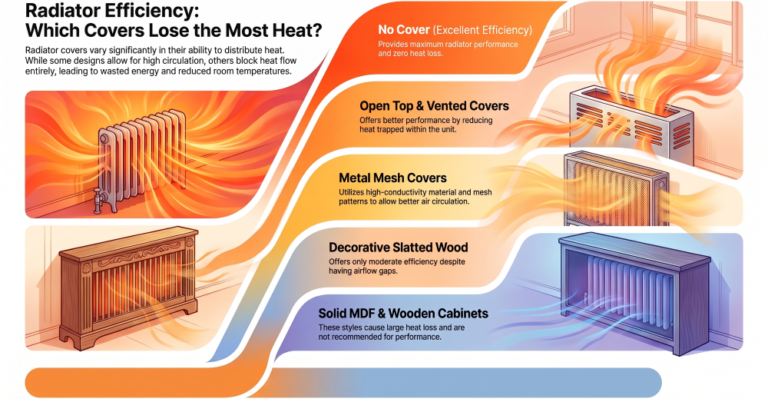
Which Radiator Covers Lose the Most Heat?
Not all radiator covers perform equally.
Here's a simple comparison.
| Radiator Cover Type | Heat Efficiency | Recommendation |
|---|---|---|
| Solid MDF Cover | Poor | Not recommended |
| Solid Wooden Cabinet | Poor | Large heat loss |
| Decorative Slatted Wood | Moderate | Better airflow |
| Metal Mesh Cover | Good | Allows better circulation |
| Open Top & Vented Cover | Better | Reduced heat loss |
| No Cover | Excellent | Maximum radiator performance |
Generally speaking, the more enclosed the radiator, the more heat it will lose.
Common Reasons People Buy Radiator Covers
It's understandable why radiator covers remain popular.
Many homeowners want to:
- Hide an old radiator.
- Improve interior design.
- Create extra shelving space.
- Protect children from touching hot surfaces.
- Match traditional décor.
- Conceal pipework.
These are perfectly valid reasons.
However, many people don't realise there are now alternatives that achieve the same visual improvement without reducing heating performance.
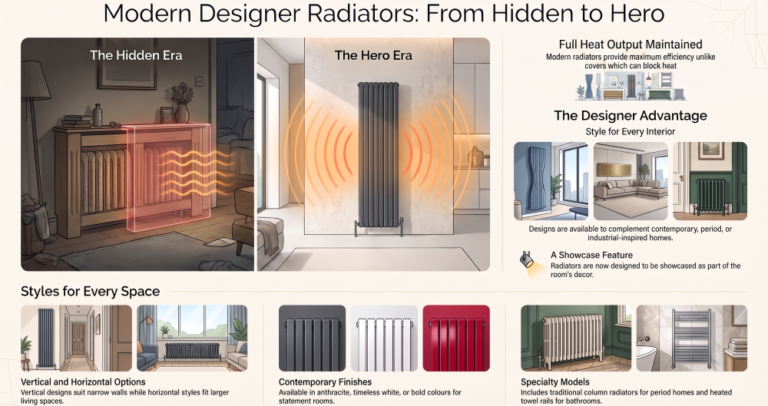
The Better Alternative: Modern Designer Radiators
The biggest reason people buy radiator covers is simple:
They don't like how their existing radiator looks.
Fortunately, radiator design has changed dramatically over the last decade.
Modern designer radiators are no longer something you hide.
They're something you showcase.
Whether your home has a contemporary interior, a period property or an industrial-inspired design, there are radiators available to complement virtually every style.
Popular choices include:
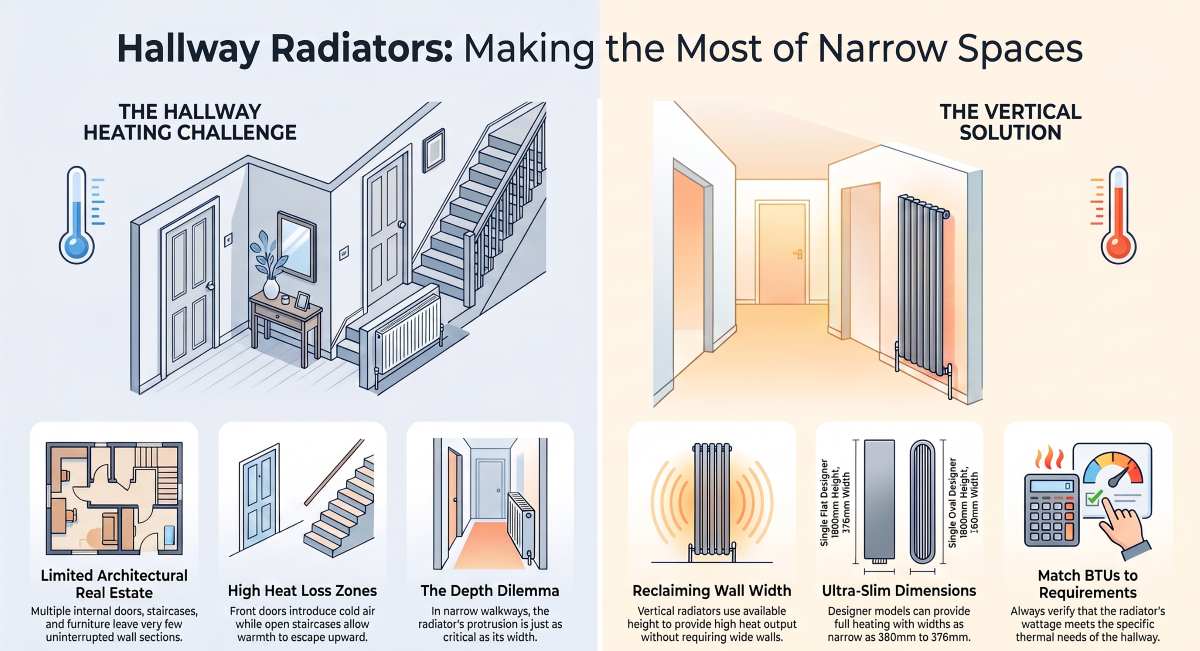
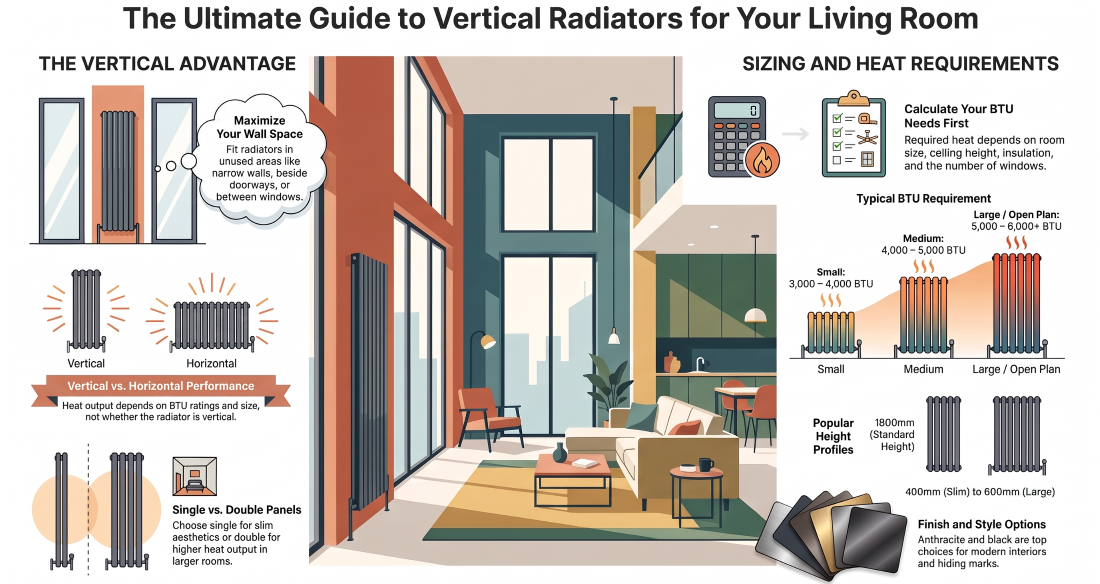
- Vertical designer radiators for narrow walls.
- Horizontal designer radiators for larger living spaces.
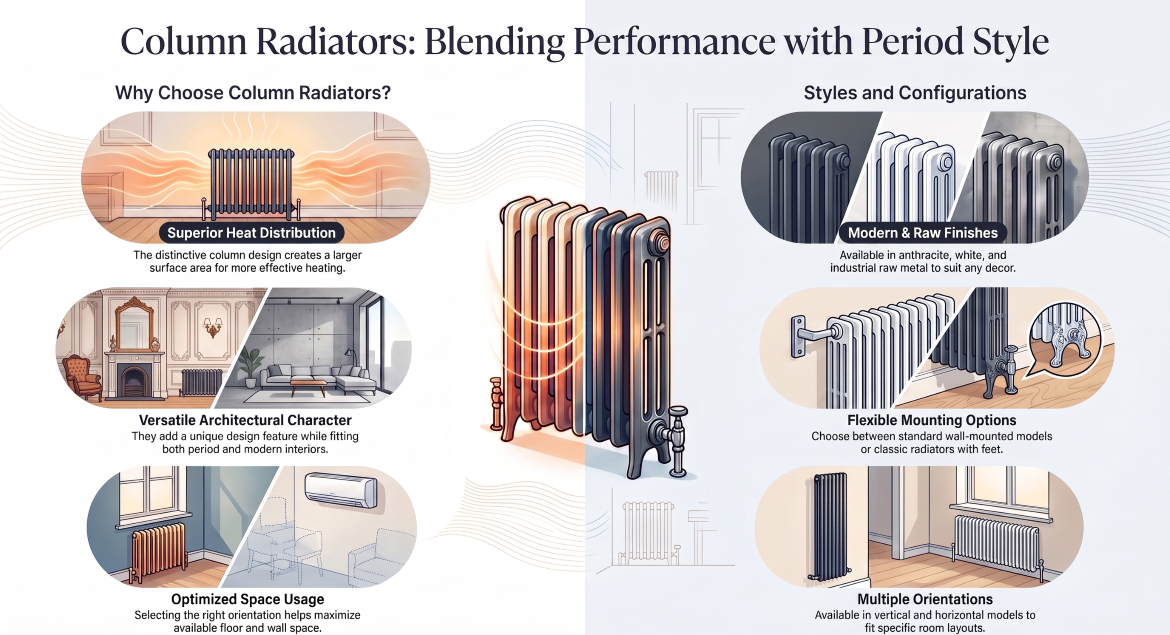
- Traditional column radiators for period homes.
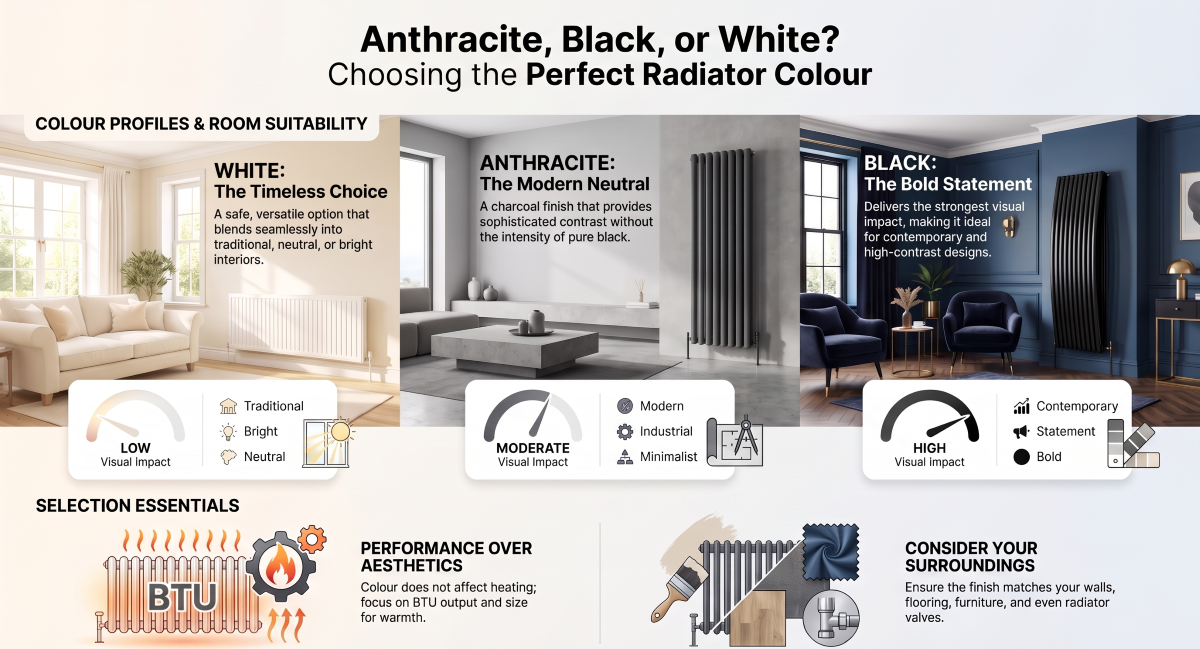
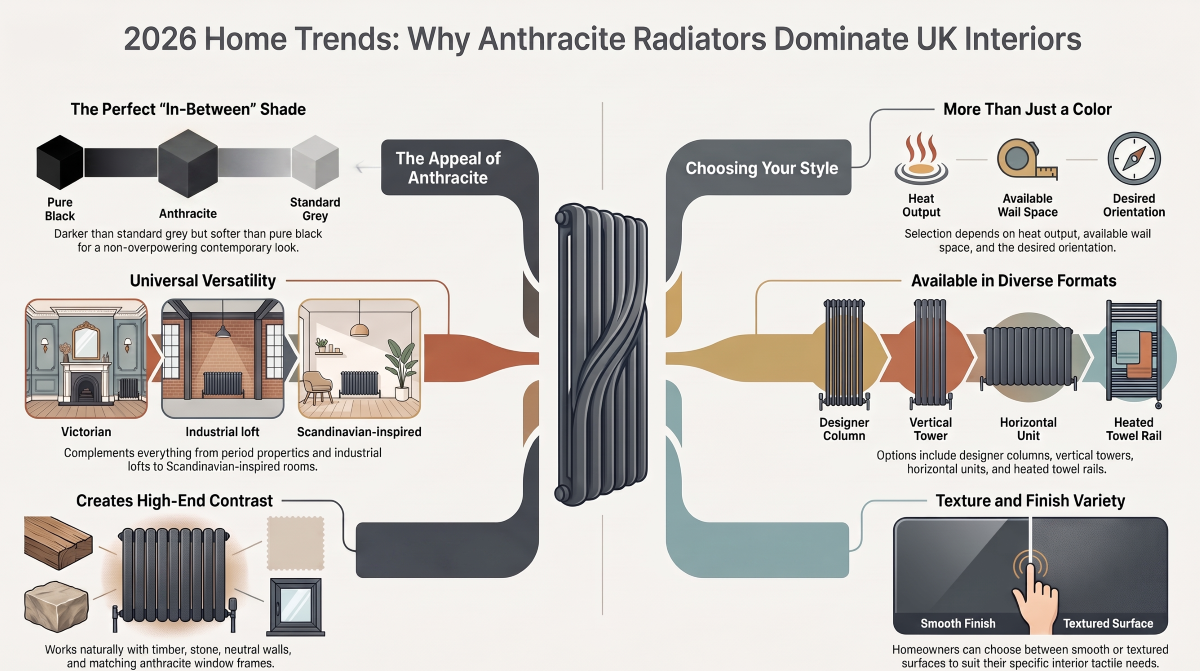
- Anthracite radiators for modern interiors.
- White designer radiators for timeless simplicity.
- Coloured radiators for statement rooms.
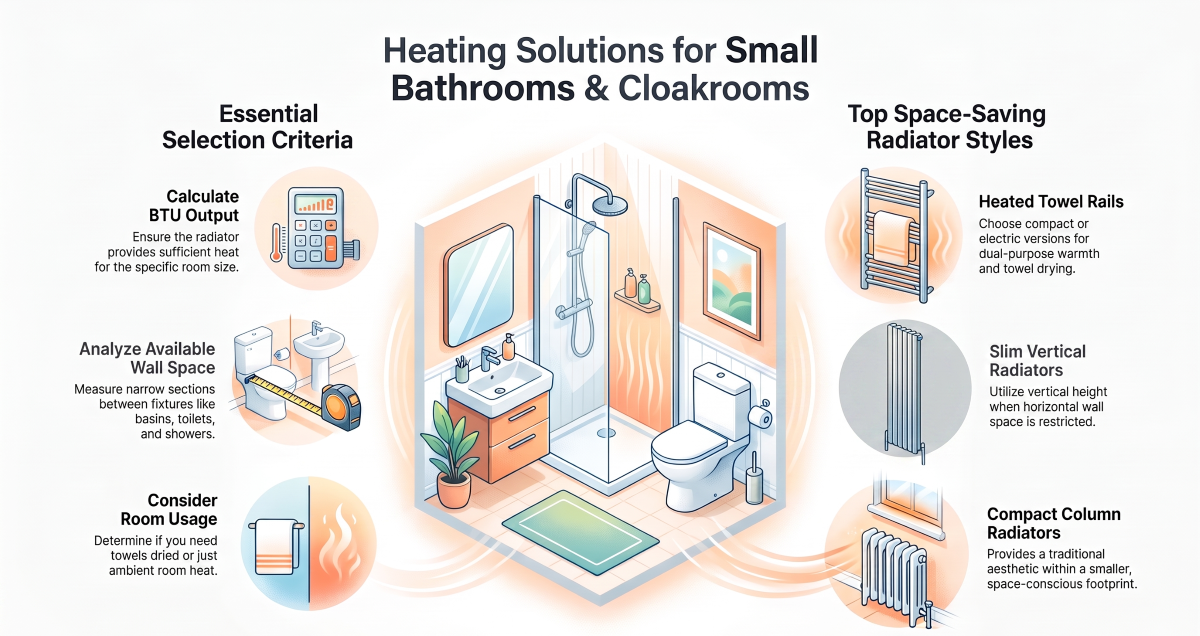
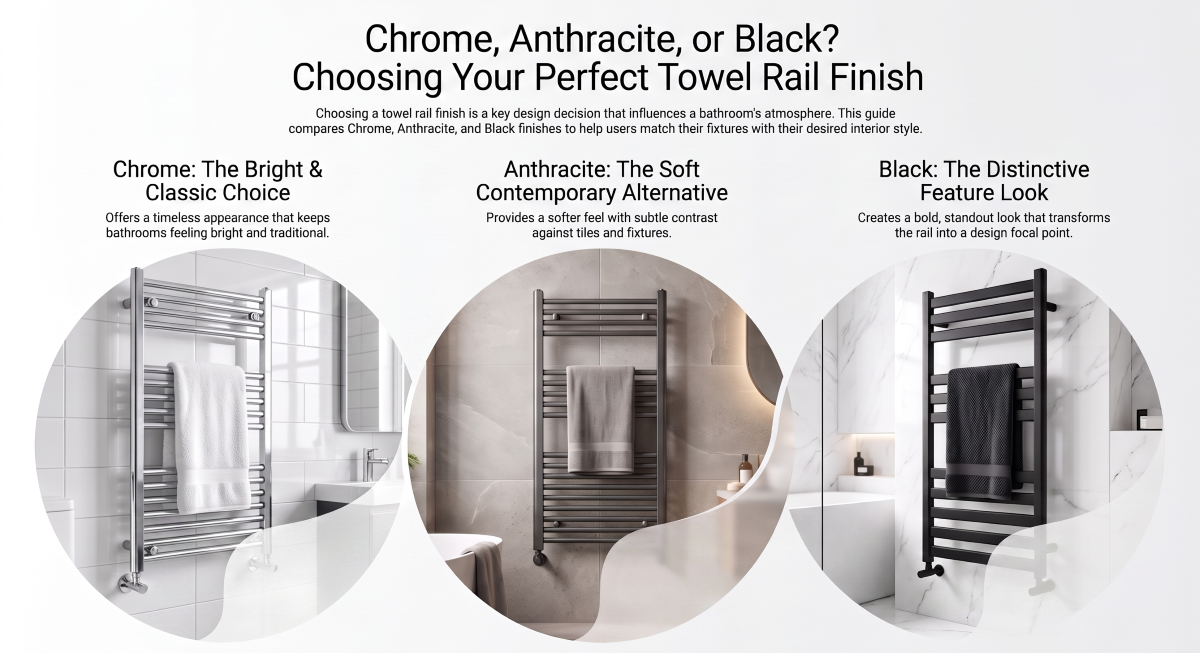
- Heated towel rails for bathrooms and cloakrooms.
Unlike radiator covers, these options maintain full heat output while enhancing the appearance of your home.
Why More Homeowners Are Replacing Old Radiators
At The Radiator Hub, we've seen a noticeable shift in recent years.
Rather than spending money on radiator covers, more homeowners are choosing to replace outdated radiators altogether.
The benefits include:
- Improved room aesthetics.
- Better heat distribution.
- Modern finishes.
- Improved energy efficiency.
- Greater choice of sizes.
- Better compatibility with contemporary interiors.
- Long-term value.
In many cases, investing in a stylish designer radiator removes the need for a cover entirely.
Expert Advice from The Radiator Hub
Our team speaks with homeowners across the UK every day.
One of the most common conversations starts with someone looking for a radiator cover because they dislike the appearance of an existing radiator.
After discussing their room, heating requirements and style preferences, many discover that replacing the radiator offers far better value.
Instead of reducing heat output with a cover, they gain a heating solution that performs efficiently while becoming a design feature within the room.
If you're already considering spending money on a radiator cover, it's worth comparing that cost against upgrading to a modern designer radiator that you'll enjoy for many years to come.
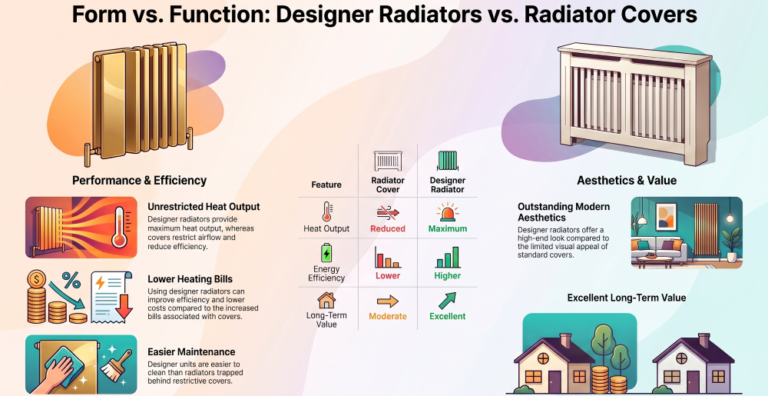
Radiator Covers vs Designer Radiators
| Feature | Radiator Cover | Designer Radiator |
| Appearance | Improved | Excellent |
| Heat Output | Reduced | Maximum |
| Energy Efficiency | Lower | Higher |
| Cleaning | More difficult | Easier |
| Airflow | Restricted | Unrestricted |
| Long-Term Value | Moderate | Excellent |
| Heating Bills | May increase | Can improve efficiency |
| Modern Look | Limited | Outstanding |
Looking purely at performance, designer radiators are the clear winner.
They provide efficient heating while adding genuine style and value to your home instead of hiding an existing radiator.
Key Takeaways
If you're wondering whether radiator covers block heat, the answer is yes.
Although some well-designed covers perform better than others, every enclosed radiator creates some restriction to airflow and radiant heat.
If your main goal is simply improving the appearance of your room, replacing an outdated radiator with a modern designer radiator is often the smarter investment. You'll benefit from improved aesthetics, excellent heating performance and greater energy efficiency without needing to hide your heating system behind a cover.
Frequently Asked Questions About Radiator Covers
One of the best ways to decide whether a radiator cover is right for your home is to answer the questions that homeowners ask most often. Below, we've answered the most common queries we hear from customers, as well as questions frequently searched online across the UK.
Do radiator covers block heat completely?
No. Radiator covers don't stop heat altogether, but they do reduce how efficiently it enters the room. Heat still escapes through the cover and any ventilation gaps, but both radiant heat and natural airflow are restricted. The more enclosed the cover, the greater the reduction in heating performance.
How much heat does a radiator cover reduce?
There's no fixed percentage because every radiator cover is different. A well-ventilated metal cover may only have a small impact, while a solid wooden or MDF cabinet can significantly reduce heat output. The biggest losses occur when airflow around the radiator is heavily restricted.
Do wooden radiator covers reduce heat more than metal ones?
Generally, yes. Wood and MDF naturally insulate heat, whereas metal transfers heat more effectively. If you're choosing a radiator cover, a ventilated metal design is usually more efficient than a solid wooden cabinet.
Can radiator covers increase heating bills?
Potentially, yes. If your room takes longer to reach the desired temperature because the radiator cover is restricting heat output, your boiler may need to run for longer. Over time, this can increase energy consumption, especially if several radiators throughout your home are covered.
Are radiator covers energy efficient?
Not usually. Even the best-designed radiator covers create some level of restriction. If improving energy efficiency is your priority, upgrading to a modern designer radiator is often a better investment than covering an older radiator.
Are radiator covers worth buying?
It depends on your priorities.
If your main concern is appearance, a radiator cover may improve the look of an old radiator. However, if you want both style and maximum heating performance, replacing the radiator with a modern designer model is often the smarter long-term solution.
Can radiator covers affect thermostatic radiator valves?
Yes. If the thermostatic radiator valve (TRV) is enclosed inside the cover, it may detect the warm air trapped within the cabinet rather than the actual room temperature. This can cause the valve to shut off too early, leaving the room cooler than intended.
Do radiator covers stop convection?
They can. Radiators rely on convection to circulate warm air around the room. Restricting the airflow around the radiator slows this process, making heating less efficient.
Can you improve the efficiency of an existing radiator cover?
Yes. If you already have a radiator cover, you can reduce heat loss by:
Choosing a slatted or louvred front panel.
Leaving generous gaps at the bottom and top.
Avoiding solid enclosed cabinets.
Installing reflective foil behind the radiator.
Ensuring your TRV remains exposed to room air where possible.
While these improvements help, they won't completely eliminate heat loss.
Are radiator covers safe for children?
Radiator covers can help prevent direct contact with hot radiator surfaces, making them a popular choice in family homes. However, they should still allow good airflow and be securely fitted.
Are radiator covers suitable for homes with pets?
Yes, particularly if pets frequently rest near radiators. Just make sure ventilation isn't compromised and your pet isn't blocking the airflow around the radiator.
Do radiator covers cause damp or mould?
Not directly. However, if airflow around external walls is restricted, moisture can sometimes build up in poorly ventilated areas. Maintaining good room ventilation and heating levels is always important.
Should I remove radiator covers during winter?
If maximum heating performance is your priority, removing radiator covers during the colder months can improve airflow and heat distribution.
Do modern designer radiators produce more heat?
Modern designer radiators don't automatically produce more heat than traditional radiators of the same BTU output.
However, because they don't require covers and are designed for efficient airflow, they often perform better in real-world conditions while also improving the appearance of your home.
Are vertical radiators as efficient as horizontal radiators?
Yes. Provided they have the correct BTU output for the room, vertical radiators can heat a space just as effectively while making better use of wall space.
What radiator gives off the most heat?
The answer depends on the BTU output rather than the style.
Larger multi-column radiators generally produce higher heat outputs, while double-panel designer radiators are ideal for rooms requiring greater warmth.
Always calculate your required BTU before choosing a new radiator.
Is replacing an old radiator worth it?
In many cases, yes. Older radiators can become less efficient due to internal sludge, corrosion or outdated designs. Replacing them with modern designer radiators can improve both heating performance and the overall appearance of your home.
Should furniture be placed in front of radiators?
It's best to avoid placing large furniture directly in front of any radiator.
Sofas, cabinets and large items block airflow in much the same way as radiator covers, reducing heating efficiency.
Do radiator covers protect walls?
They can offer some protection from scuffs and marks, but correctly installed radiators shouldn't normally damage walls.
Can radiator covers damage radiators?
No. A radiator cover won't usually damage the radiator itself, although poor airflow may make the heating system less efficient.
What is the best alternative to a radiator cover?
For most homeowners, the best solution is replacing an outdated radiator with a stylish designer radiator that complements the room rather than hiding it.
At The Radiator Hub, we offer a wide range of vertical radiators, horizontal radiators, column radiators and heated towel rails designed to become part of your interior rather than something you want to conceal.
Myth vs Fact
Myth: Radiator covers don't affect heating.
Fact: Every radiator cover restricts heat to some degree. The amount depends on its design, ventilation and material.
Myth: Wooden radiator covers are the best option.
Fact: Wooden and MDF covers generally reduce heat output more than well-ventilated metal alternatives.
Myth: Radiator covers save money.
Fact: If they reduce heating efficiency, your boiler may need to run for longer, potentially increasing energy costs.
Myth: Designer radiators are only about appearance.
Fact: Modern designer radiators combine style with excellent heating performance and are available in outputs suitable for every room.
Myth: Bigger radiators always produce more heat.
Fact: Heat output is measured in BTUs. A correctly sized radiator matched to your room is far more important than its physical appearance.
Expert Tips from The Radiator Hub
Expert Tip 1
If you're considering buying a radiator cover because your radiator looks old, compare the cost of the cover with replacing the radiator altogether. You'll often find that upgrading provides far better value over the long term.
Expert Tip 2
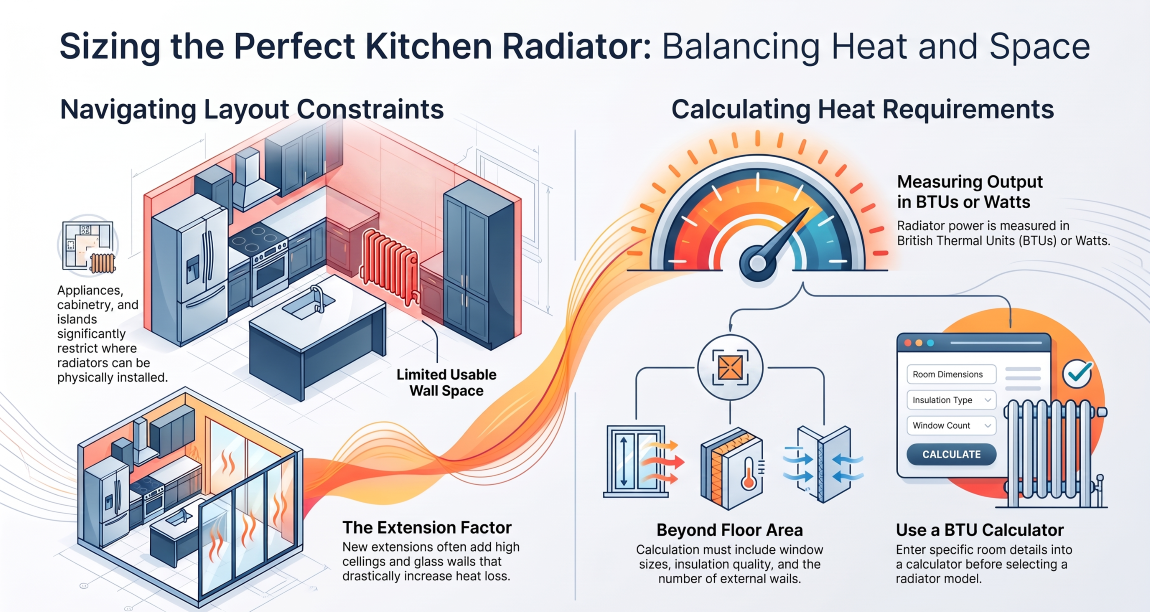
Before purchasing any radiator, use a BTU calculator to determine the correct heat output for your room. An undersized radiator will struggle to heat the space, regardless of whether it has a cover.
Expert Tip 3
If you're renovating your home, choose radiators as part of your interior design rather than treating them as something to hide. Modern designer radiators are available in a huge range of colours, finishes and styles to suit every room.
Why Homeowners Choose The Radiator Hub
Choosing the right radiator is about much more than appearance.
At The Radiator Hub, we help customers throughout the UK find radiators that combine outstanding style with excellent heating performance. Whether you're renovating a single room or an entire property, our experienced team can help you select the right size, style and heat output for your home.
We offer:
Free UK mainland delivery.
Competitive prices.
Expert customer support before and after your purchase.
Our goal is simple: helping you choose a radiator you'll love looking at just as much as you'll appreciate its performance.
Final Thoughts
So, do radiator covers block heat?
The evidence suggests they do.
While some designs perform better than others, any enclosure around a radiator will reduce airflow and restrict some heat transfer. For homeowners looking to maximise heating efficiency while creating a beautiful living space, replacing an outdated radiator with a modern designer radiator is often the best long-term solution.
If you're unsure which radiator is right for your home, use our BTU Calculator to determine the correct heat output, then explore our range of designer radiators, vertical radiators, column radiators and heated towel rails. If you need advice, our friendly team is always happy to help you choose the perfect radiator for your space.
A warmer home should never mean compromising on style, and with the right radiator, you don't have to.