Blog
Best Radiators for Heat Pumps UK 2026: What Actually Works

Related Posts
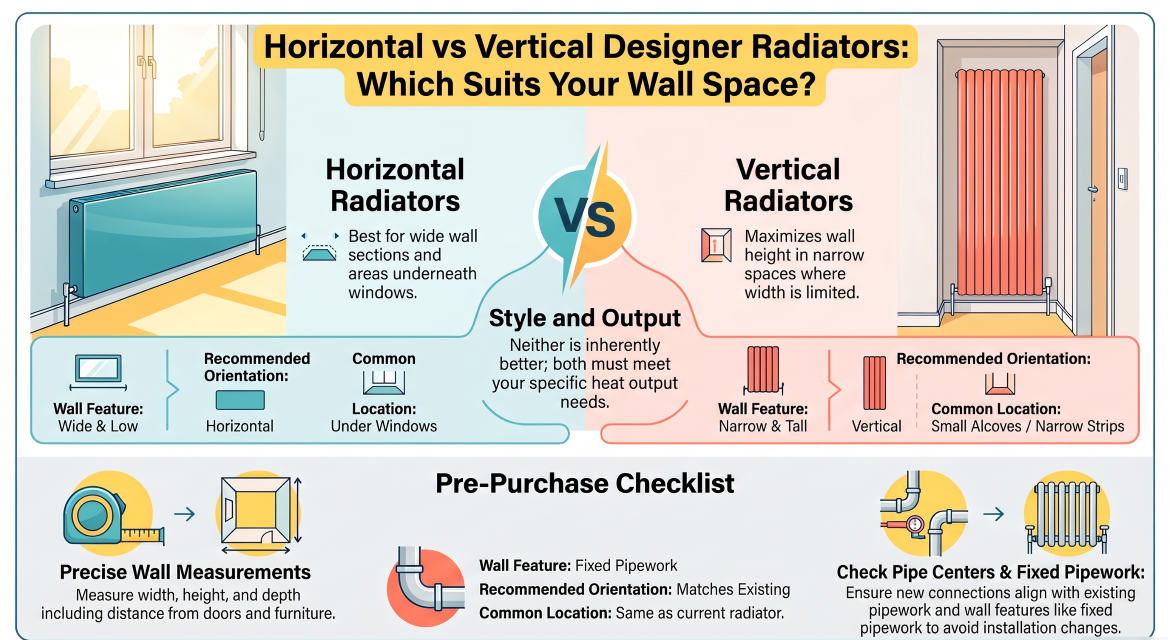
Horizontal vs. Vertical Designer Radiators: Which Suits Your Wall Space?
Choosing a new designer radiator is not just about finding a style you like. The radiator also needs to fit the wall, work with your ex...
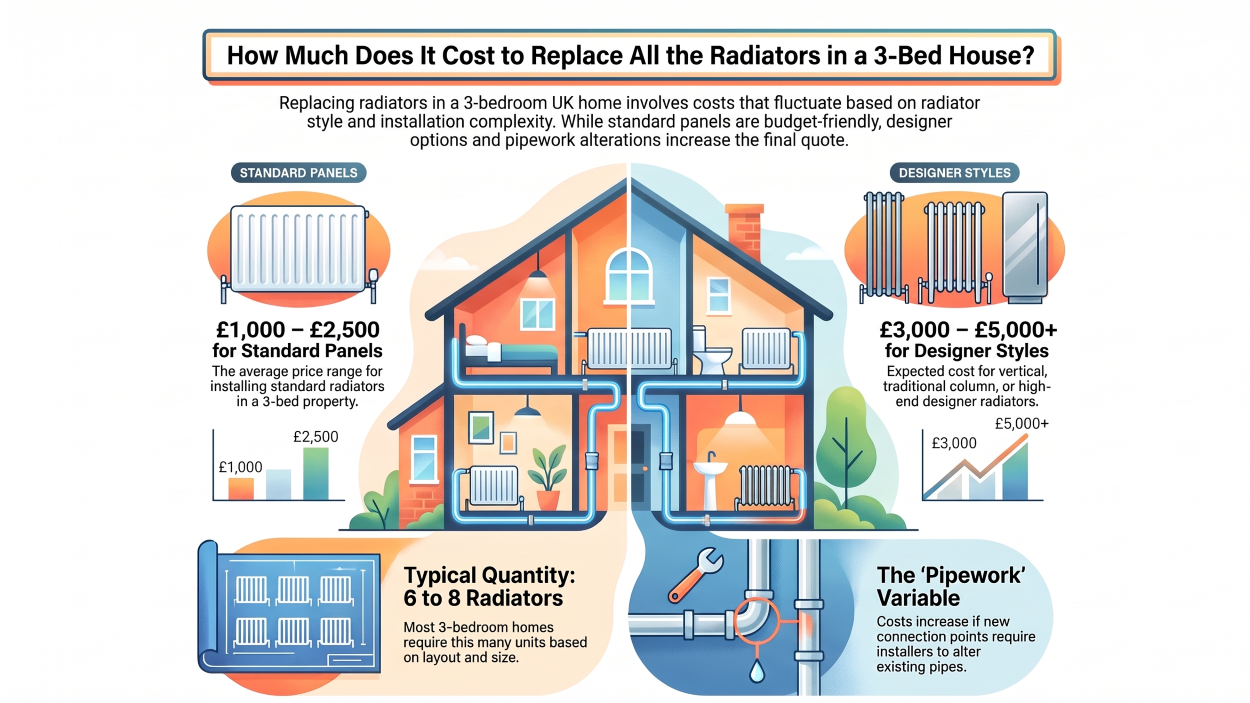
How Much Does It Cost to Replace Radiators in a 3-Bed House? UK 2026
Replacing all the radiators in a typical 3-bedroom UK home can cost around £1,000-£2,500 when using standard panel radiators, depending...
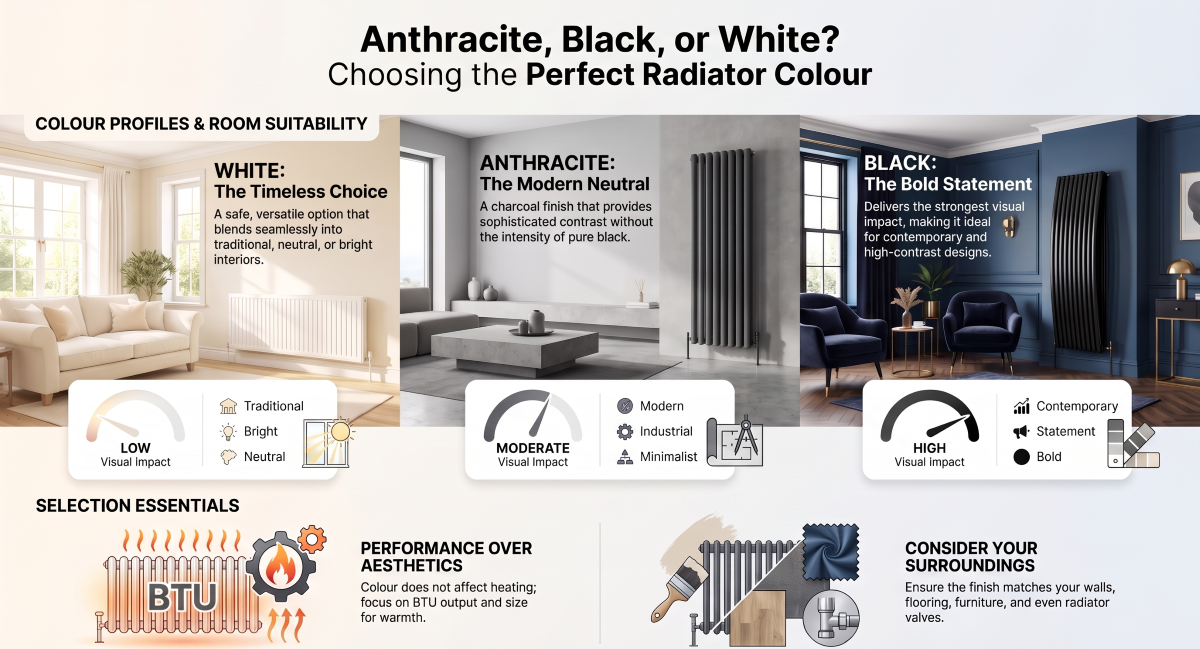
Anthracite vs Black vs White Radiators: Which Colour Is Right for Your Room?
Choosing a new radiator used to be fairly simple. Most people went for white and moved on.Today, there are far more options. Anthracite...
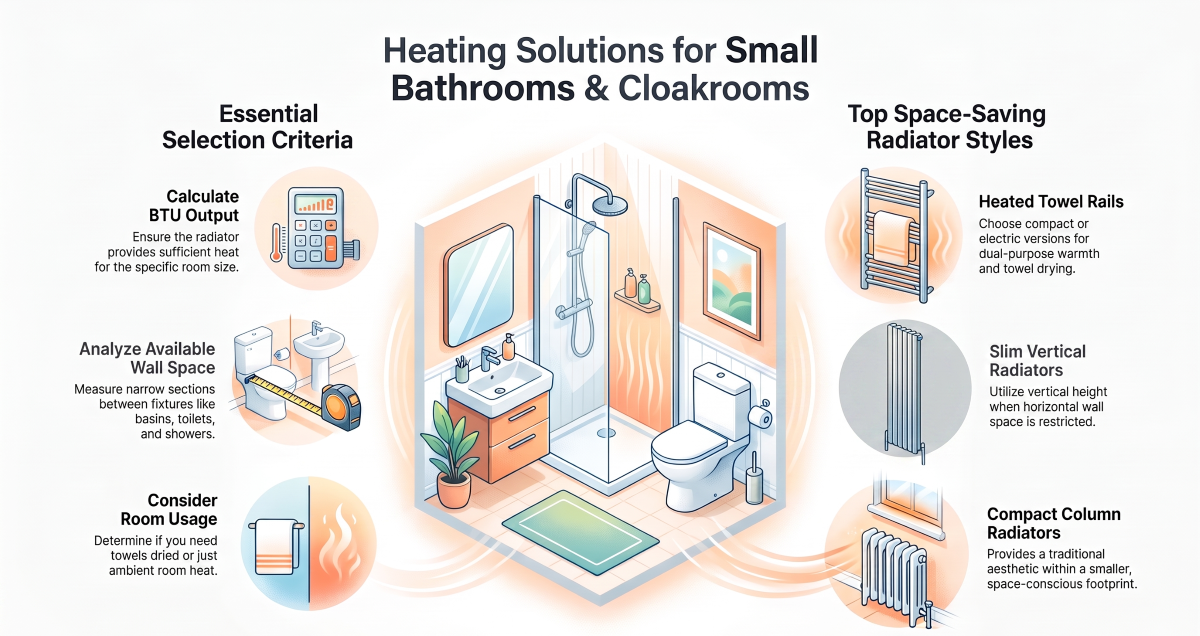
Best Radiators for Small Bathrooms & Cloakrooms
Finding the best radiator for a small bathroom can be surprisingly difficult.You might have only a narrow section of wall available, wi...
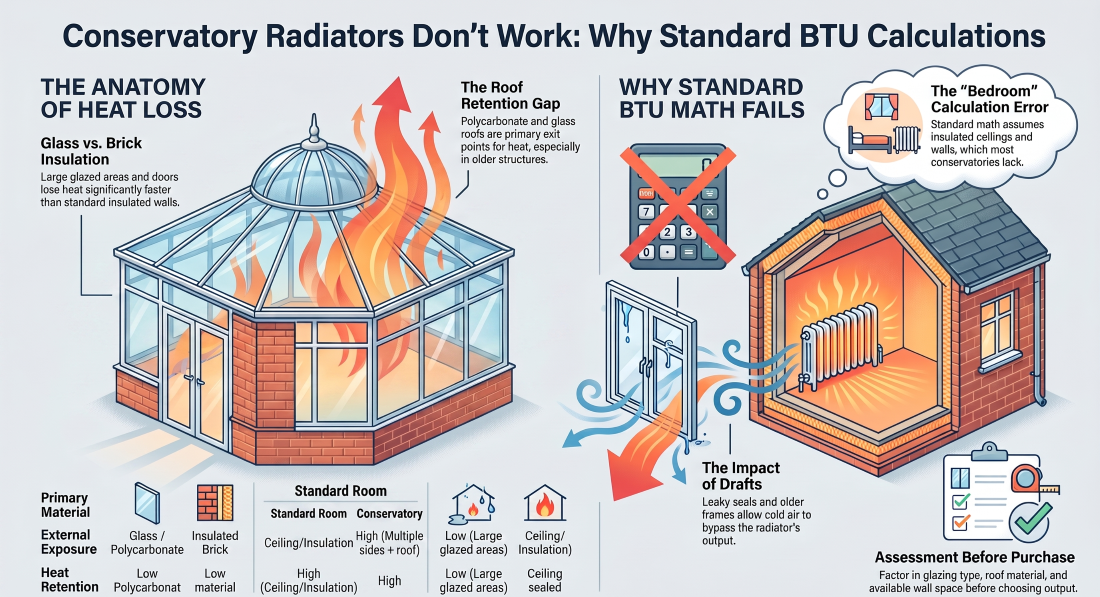
Conservatory Radiators Don’t Work: Why Standard BTU Calculations
A conservatory can be one of the hardest rooms in the home to keep warm. Large windows, glazed doors, and glass or polycarbonate roofs ...
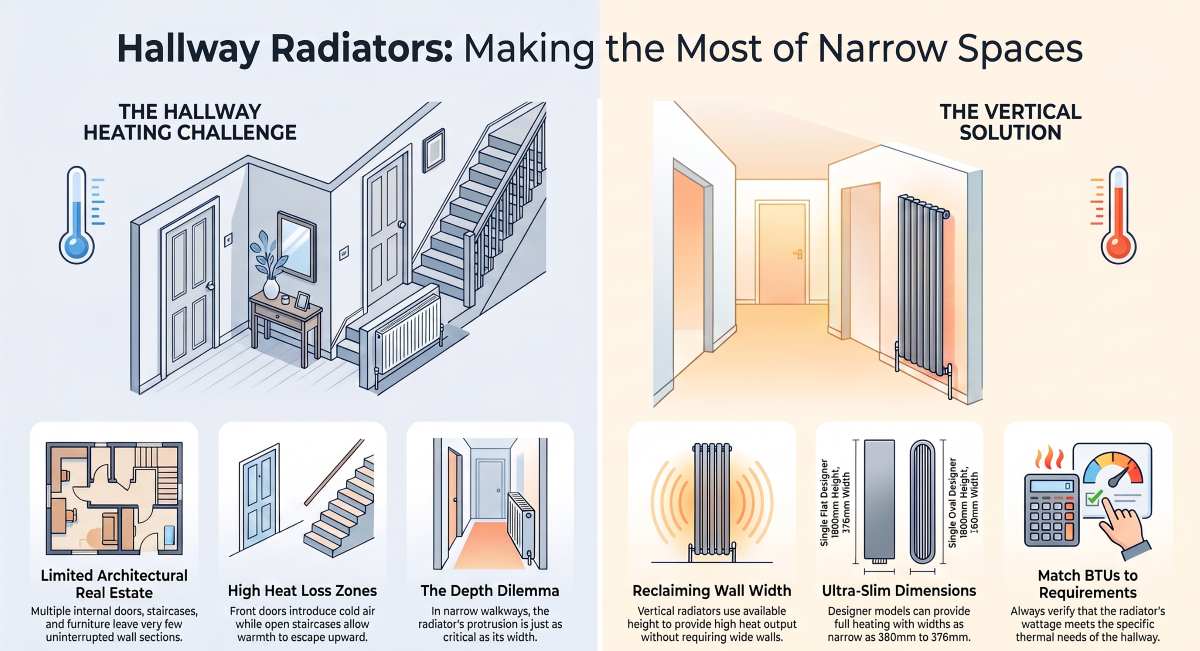
Hallway Radiators: Making the Most of Narrow Spaces
Finding somewhere to put a radiator in a hallway can be surprisingly difficult. A front door may be at one end, with doors leading into...
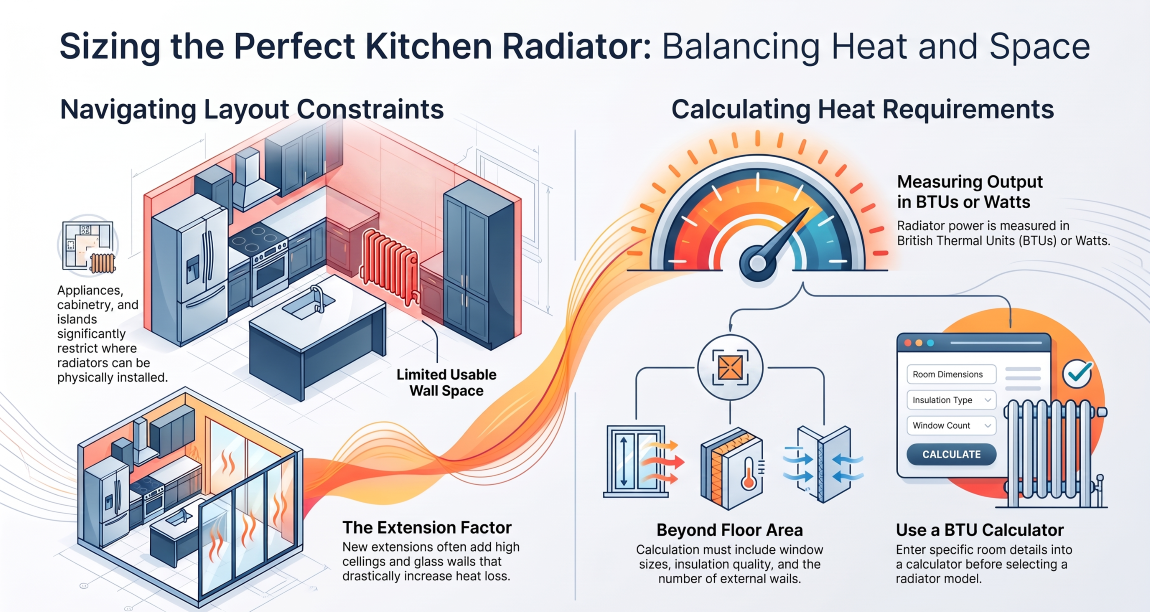
Kitchen Radiators: Sizing Around Units, Islands and Extensions
Finding the right radiator for a kitchen can be surprisingly difficult.
Unlike a bedroom or living room, kitchens are usually packed wi...
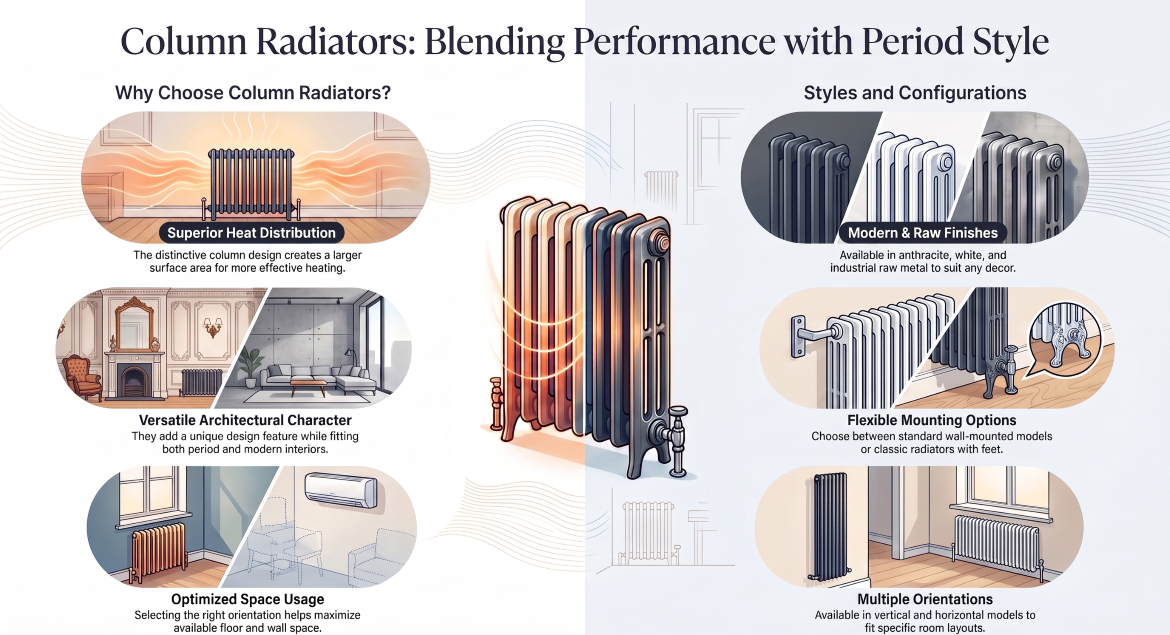
Where to Put a Column Radiator: Kitchen, Living Room & Bathroom Ideas
Choosing the right location for a column radiator is just as important as selecting the right style. A well-positioned radiator can imp...
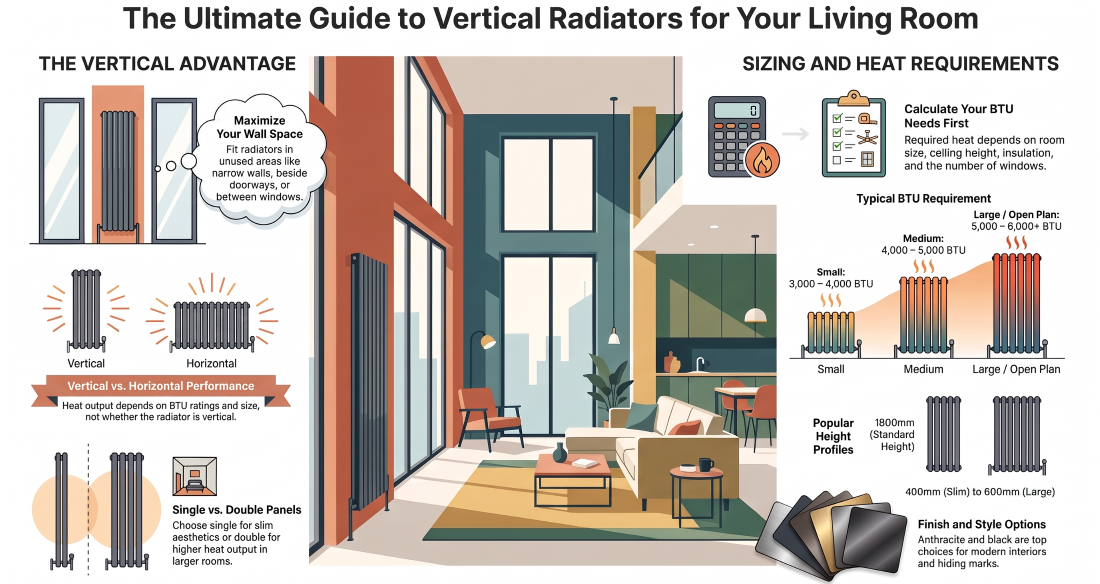
Vertical Radiators for Living Rooms: What You Need to Know Before Buying
Discover how to choose the best vertical radiator for your living room. Learn about BTU, sizing, styles, colours, and space-saving heating solutions for UK homes.
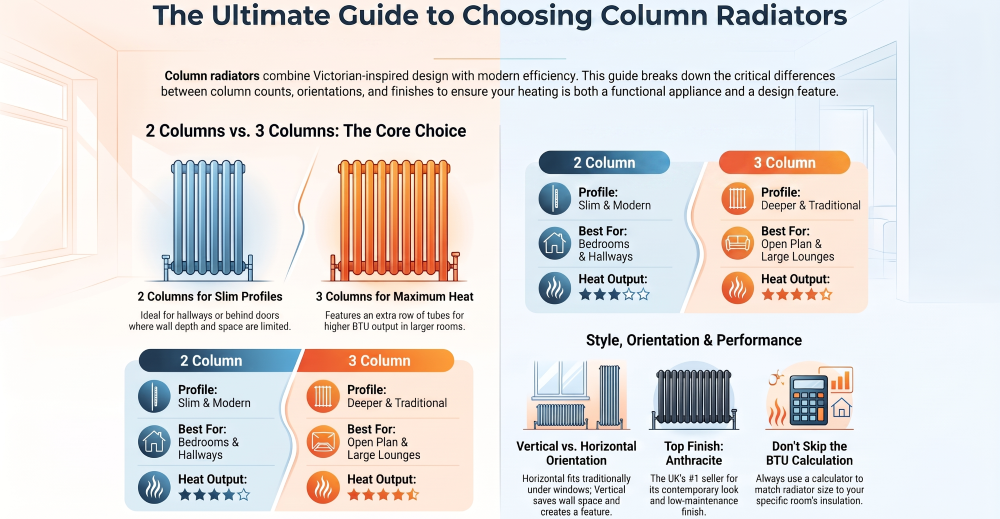
Column Radiators UK: The Complete 2 vs 3 Column Buying Guide
Looking for the perfect column radiator? Discover the differences between 2 and 3 column radiators, compare BTU output, finishes and expert buying advice from The Radiator Hub.
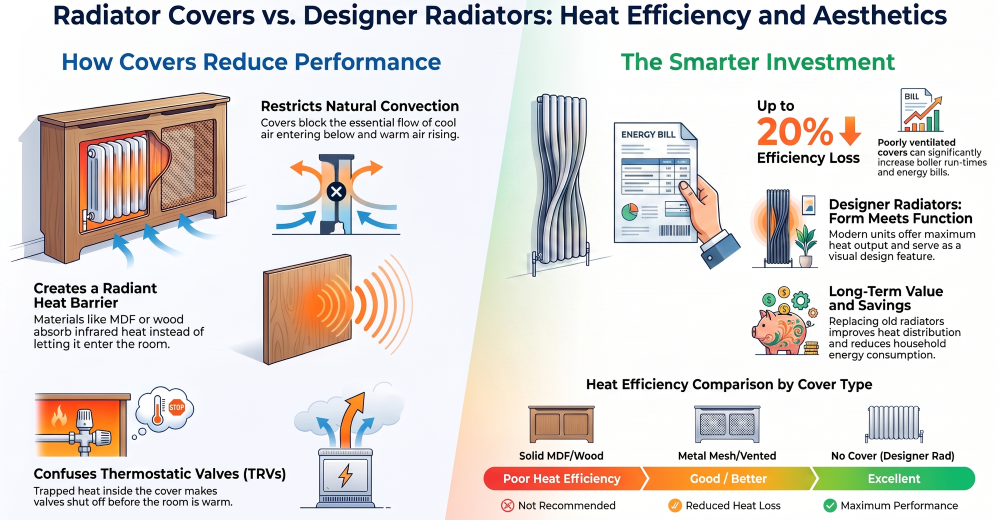
Do Radiator Covers Block Heat? The Complete UK Guide
Wondering if radiator covers block heat? The short answer is yes—but the amount of heat lost depends on the cover's design, material and ventilation. In this complete UK guide, we'll explain how radiator covers affect heat output, energy efficiency and heating bills, while exploring the best alternatives for modern homes. Discover whether a radiator cover is worth it, how to improve your heating performance, and why upgrading to a stylish designer radiator could be the smarter long-term investment.
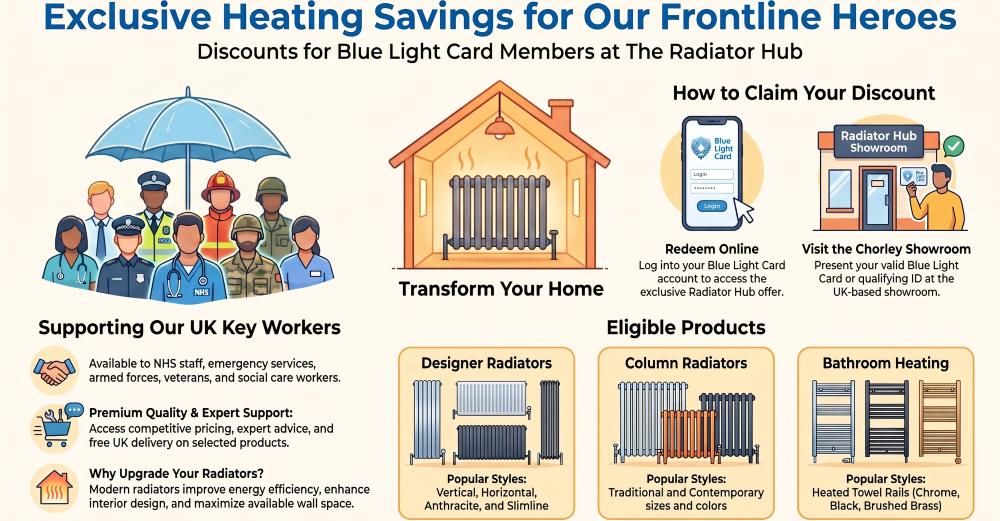
Blue Light Card Radiator Discount UK: Exclusive Savings for NHS, Emergency Services and Key Workers
The Radiator Hub is proud to support Blue Light Card members across the UK with exclusive savings on premium designer radiators, column radiators, heated towel rails, radiator valves and heating accessories. Whether you work for the NHS, emergency services, armed forces or social care sector, our Blue Light Card offer helps you upgrade your home's heating with stylish, energy-efficient and high-quality products. In this guide, discover how to claim your Blue Light Card discount, explore our extensive range of modern radiators and towel rails, and learn why thousands of UK homeowners choose The Radiator Hub for their heating needs. From anthracite designer radiators to traditional column radiators and contemporary bathroom heating solutions, we're proud to support those who support our communities with exclusive savings and expert advice.